



Before booking an international trip, most travelers don’t ask “Which is better?” They ask, “How much will this actually cost me?”
Bali is often marketed as an affordable island escape, and a Bali trip package is usually how people book it. Vietnam is known for being budget-friendly and backpacker-approved. Both are popular among Indian travelers. Both look reasonably priced online.
But the real difference shows up after flights, hotels, food, tours, transfers, and small daily expenses start adding up.
So instead of assumptions, let’s break this down practically and see where your money stretches further.
Flights – Entry-Level Cost
Flights are your first major expense.
Bali
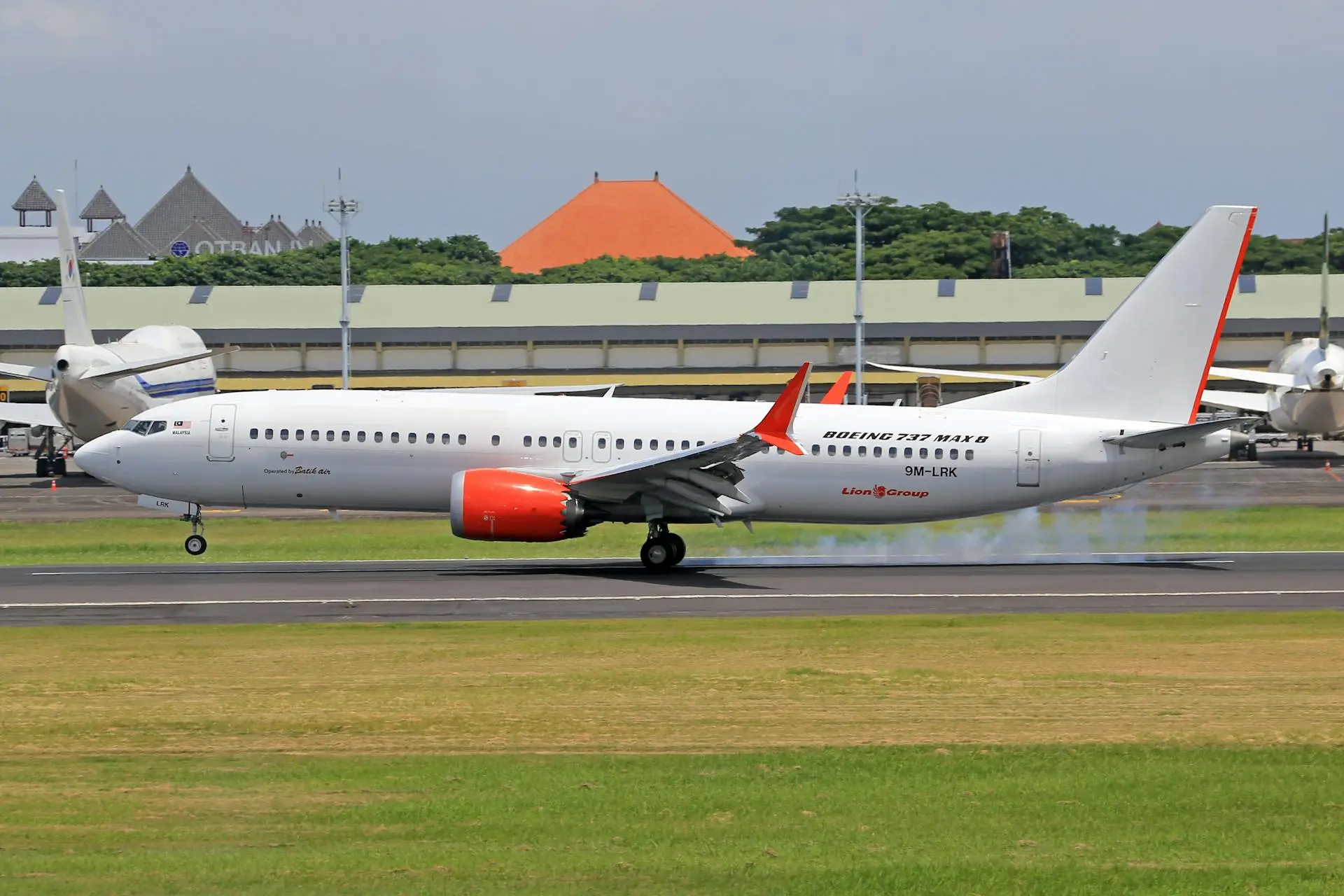
Direct flights from major Indian cities to Denpasar are limited compared to Vietnam. Many routes involve one stop.
Average return flight cost: ₹25,000 – ₹40,000
Travel time: 7–10 hours (including layover in many cases)
Bali flights are generally higher priced compared to Southeast Asian mainland destinations.
Bali holiday packages from Amritsar
Vietnam
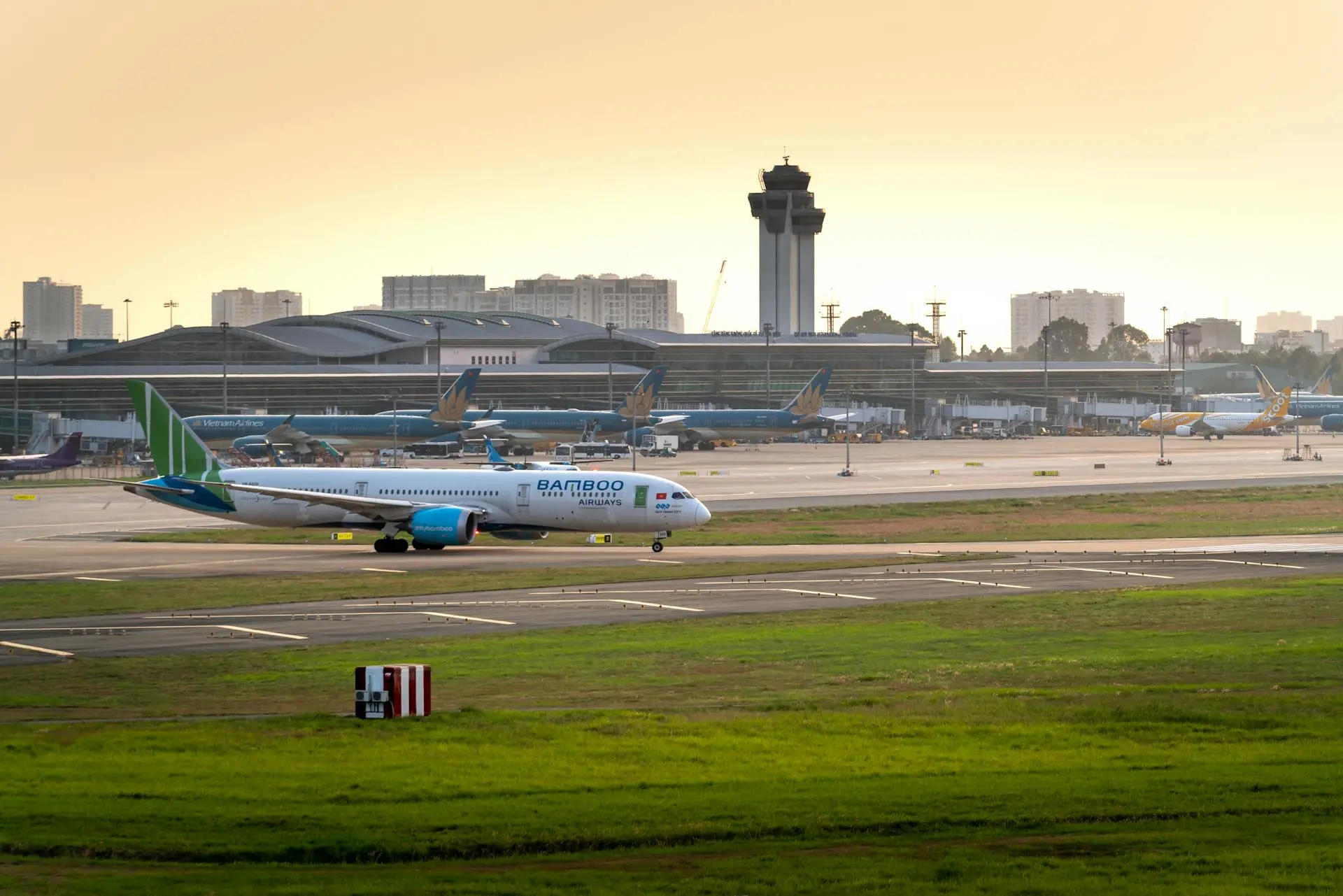
Vietnam has increasing connectivity from India, especially to Hanoi and Ho Chi Minh City.
Average return flight cost: ₹18,000 – ₹30,000
Travel time: 4–5 hours (direct options available from major cities)
Vietnam usually offers cheaper and faster flight options.
Plan your Vietnam trip without breaking the bank with 30 Sundays.
Stay Value – What You Pay vs What You Get
Accommodation shapes your daily budget.
Bali
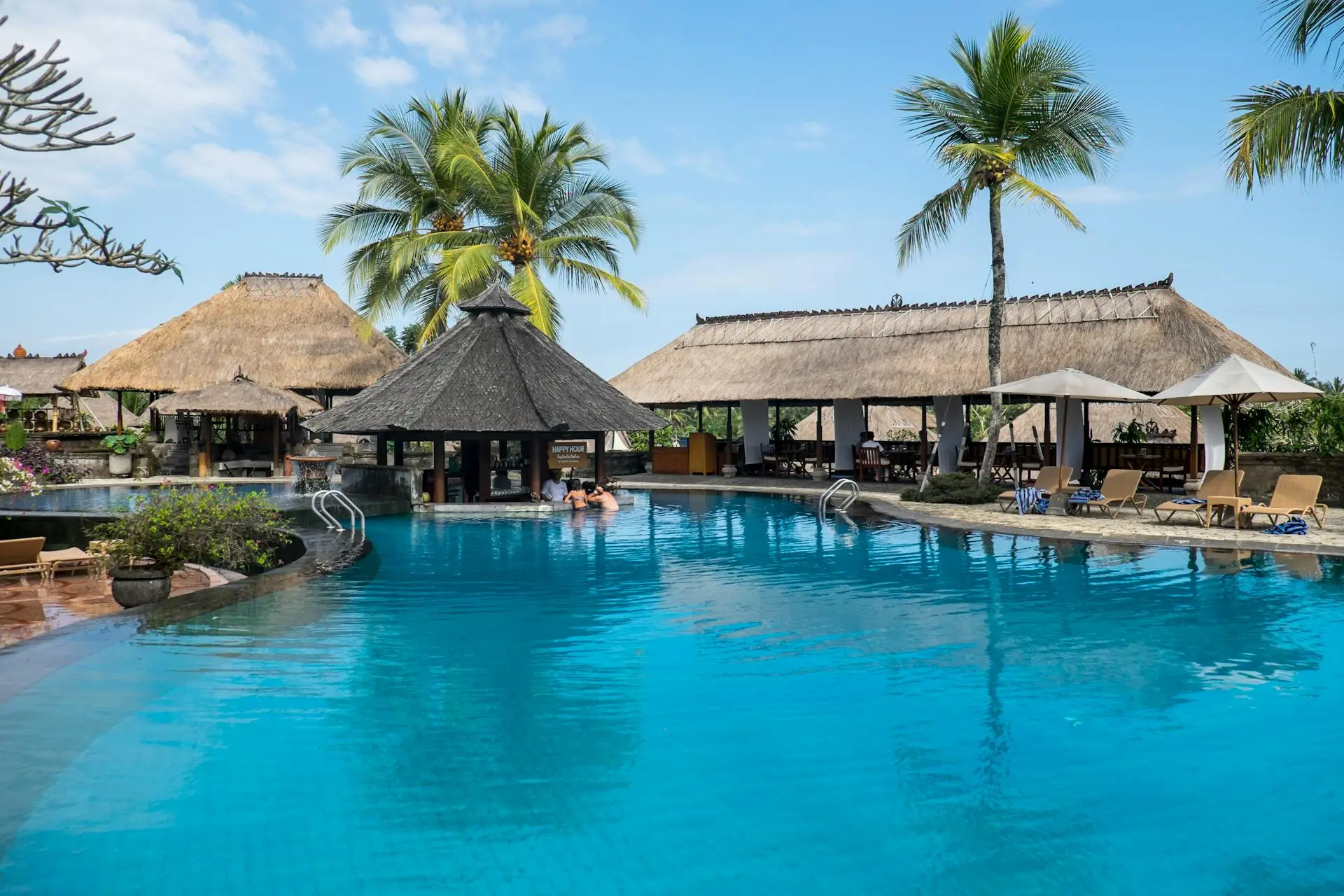
Bali offers:
- Boutique stays
- Pool villas
- 4-star hotels
- Beach resorts
A good 4-star hotel costs around ₹5,000 – ₹8,000 per night. Private pool villas start from ₹8,000 – ₹10,000 per night.
You often get aesthetic properties and Instagram-worthy stays at reasonable prices.
Vietnam
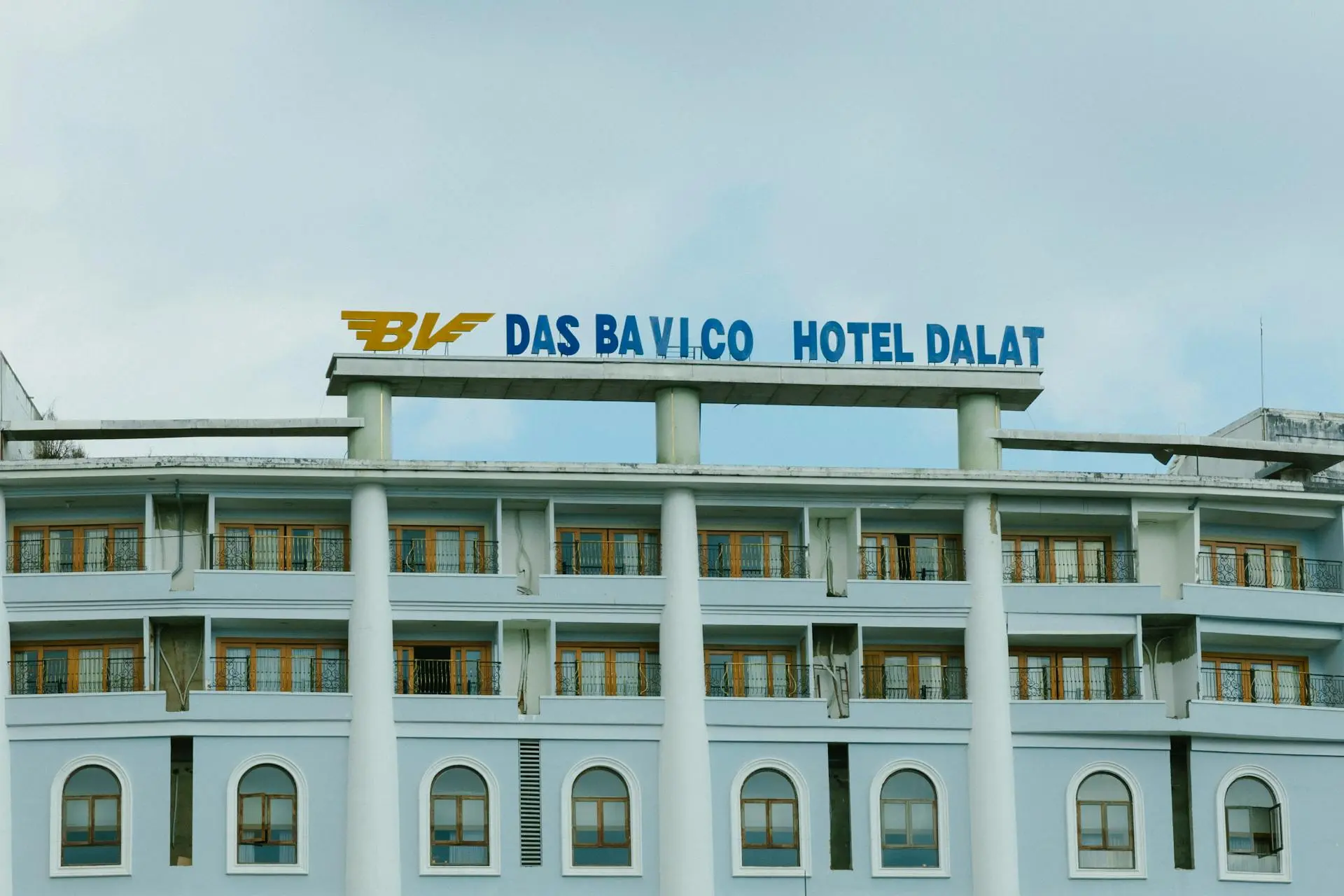
Vietnam offers:
- Budget hotels
- City business hotels
- Beach resorts
- Boutique homestays
A clean 3-star hotel costs around ₹2,000 – ₹4,500 per night. Beach resorts in Da Nang or Phu Quoc start around ₹4,000 – ₹8,000 per night.
Vietnam generally feels slightly cheaper in city stays. Bali offers better villa experiences for the price.
This premium Vietnam travel package combines luxury stays with iconic cultural experiences.
Daily Spending Comparison
Let’s talk about real everyday costs.
Meals
Bali
Local warungs: ₹300 – ₹600
Cafes in Canggu/Ubud: ₹600 – ₹1,200
Indian restaurants are available but slightly premium priced.
Bali cafe culture can increase your food budget quickly.
Vietnam
Street food: ₹150 – ₹300
Casual restaurants: ₹300 – ₹700
Indian food is widely available in major cities.
Vietnam’s local food scene is extremely affordable.
Transport
Bali
No metro system. You rely on:
- Private drivers
- Scooters
- Grab/Gojek
Daily transport: ₹700 – ₹1,500 depending on distances.
Traffic in Bali also increases travel time.
Vietnam
In cities like Hanoi and Ho Chi Minh:
- Grab works well
- Public buses available
- Domestic flights are affordable
Daily transport: ₹300 – ₹800 on average.
Vietnam is easier on the transport budget.
Hidden Costs – Where You Overspend
This is where reality changes budgets.
Internal Travel
Bali: You stay mostly in one region and explore nearby. Internal movement is road-based.
Vietnam: If you plan Hanoi + Da Nang + Ho Chi Minh, domestic flights cost ₹3,000 – ₹6,000 per sector.
Vietnam can become expensive if you cover multiple cities.
Cafe & Lifestyle Spending
Bali: Beach clubs, smoothie bowls, aesthetic cafés, and sunset dinners quietly increase your daily spend.
Vietnam: More local-focused. Unless you choose premium rooftop bars, daily lifestyle costs stay lower.
Shopping
Bali: Handicrafts, décor items, beachwear, moderately priced.
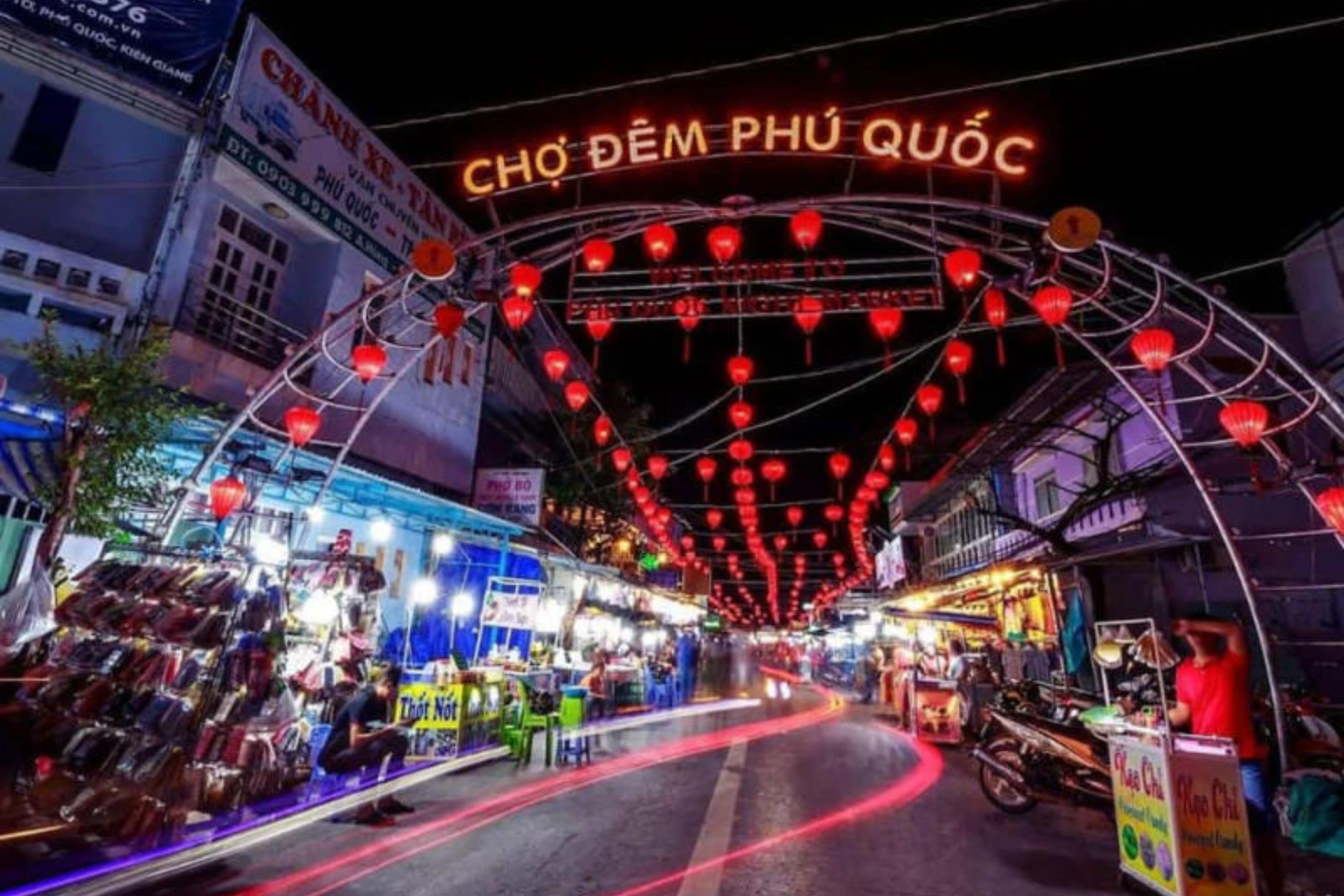
Vietnam: Night markets offer very affordable shopping. Bargaining helps.
Budget Type Verdict
Your overall cost depends less on the country and more on your travel style. Both Bali and Vietnam can fit different budgets, but one consistently stretches your money further across categories.
Budget Traveler: Vietnam is clearly cheaper for backpack-style travel. Food, stay, and transport stretch further.
Mid-Range Traveler: If you choose 3-star hotels and planned tours, Vietnam still costs less overall. Bali becomes slightly higher due to lifestyle spending.
Villa & Leisure Traveler: If you want a private pool villa experience without Dubai-level pricing, Bali offers strong value.
Final Verdict
If your goal is to minimize total trip cost, especially across flights, food, and daily expenses, Vietnam is generally lighter on the pocket. It works extremely well for longer stays, multi-city exploration, and travelers who enjoy local food and simple experiences.
Bali is not expensive, but it encourages lifestyle spending. Private drivers, cafés, beach clubs, and curated experiences gradually raise your daily average. However, if your idea of value includes private villas and relaxed island comfort, Bali feels worth the price.
So the better question is not just “Which is cheaper?” It is “What kind of spending are you comfortable with?”
If you want maximum savings and broader exploration, Vietnam wins.
If you want island leisure with villa comfort and don’t mind spending slightly more per day, Bali works beautifully.
Frequently Asked Questions
Is it cheaper in Vietnam or Bali?
Vietnam is generally cheaper across flights, food, local transport, and city hotels. Bali can feel affordable at first, but private drivers, cafés, and beach clubs slowly increase your daily spending.
Which is better, Bali or Vietnam?
Bali is ideal if you want a relaxed island stay with villas and curated experiences. Vietnam is better if you prefer variety, cities, mountains, beaches, and multi-region exploration in one trip.
Is 50k INR enough for Vietnam?
₹50,000 can work for a short 4–5 day Vietnam trip if you get a good flight deal and stick to one city with a controlled budget. For multi-city travel and comfortable stays, you’ll likely need a higher budget.
Is 2 lakh enough for a Bali trip?
Yes, ₹2 lakh is more than enough for a comfortable 6–8 day Bali trip with good hotels or even a private villa, guided tours, and leisure experiences included. It allows flexibility without constant budget stress.








.webp)