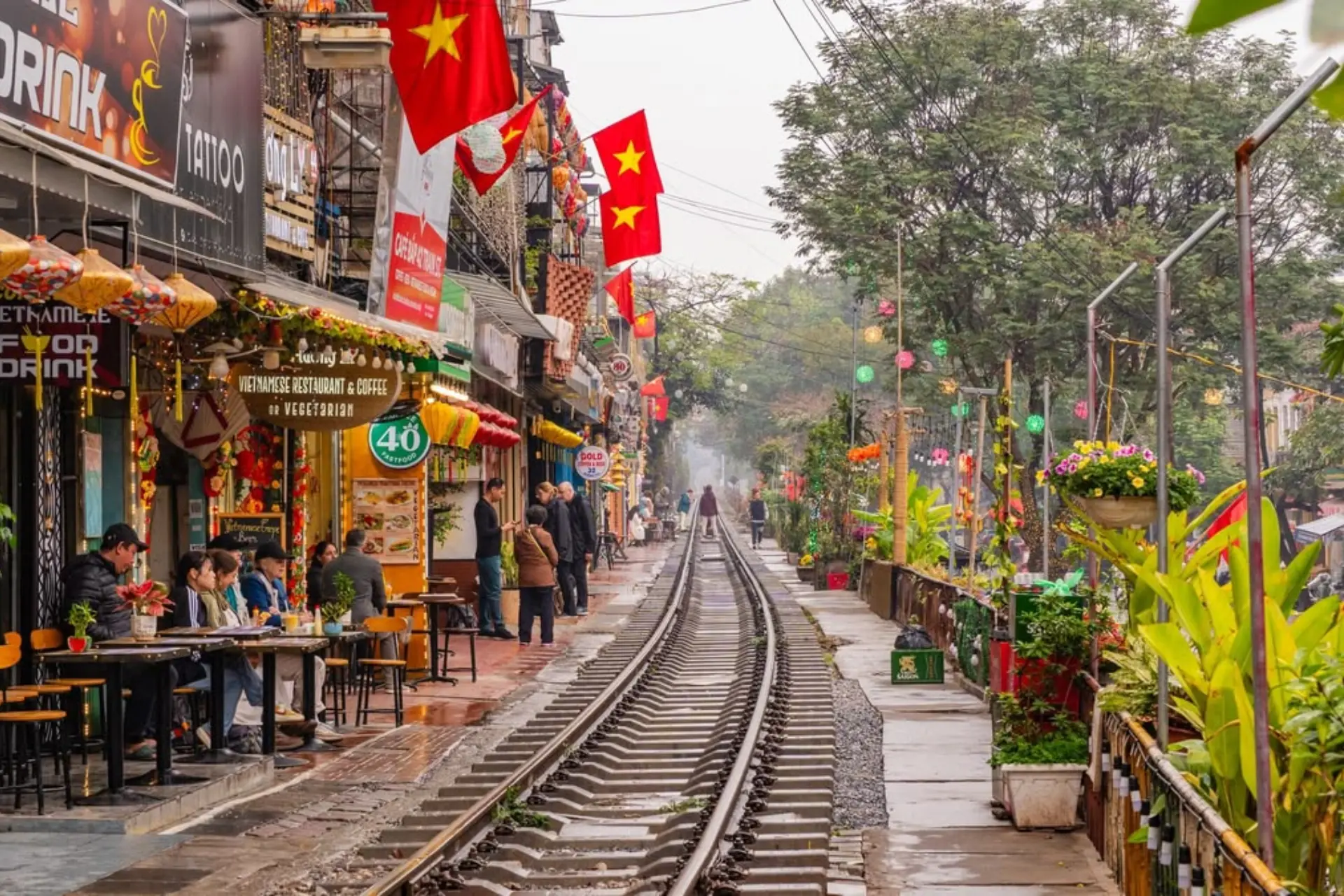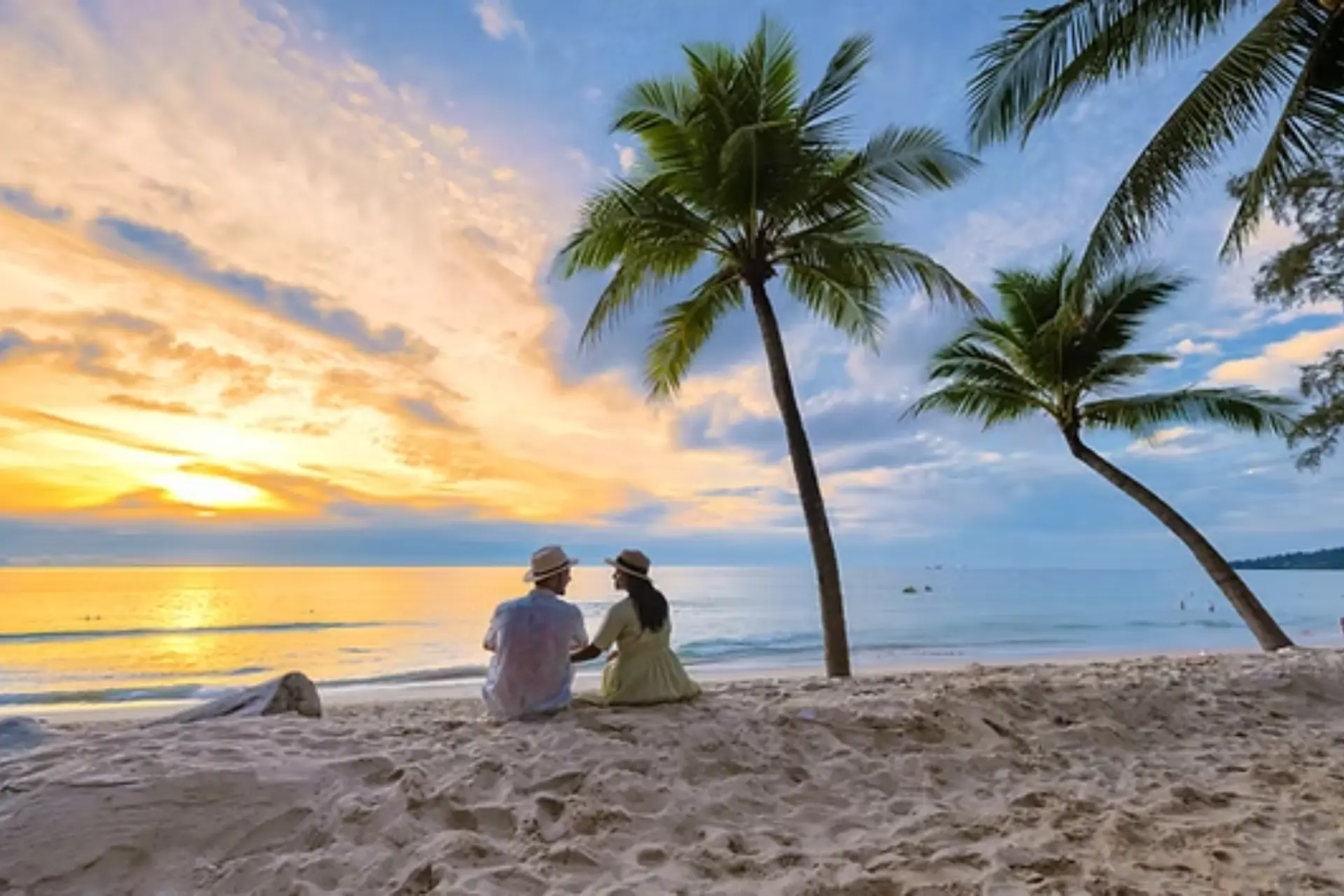





Picking between Bali and Vietnam feels like choosing two different kinds of holidays that both promise warmth and wonder. Bali is islands, rice terraces, volcanoes, and a yoga-and-beach rhythm, an easy place to slow down. Vietnam is long and varied: limestone bays, bustling cities, misty highlands, and a string of history and food that changes from north to south.
Both are huge travel wins, but they give very different days. Bali is compact and island-focused, meaning less travel time between highlights. Vietnam stretches up and down a coastline, so you will spend more time moving between very different regions, but that movement is part of the adventure.
This post breaks down everything you care about: budgets, best months, top places, day-to-day costs, food, hotels, visas, and how easy it is to get around. We will keep it simple and human, the kind of advice you’d want from a friend who’s been there.
If your question is Bali or Vietnam, which is better? The honest answer is: it depends on the kind of holiday you want. If it is Bali or Vietnam, which is cheaper? Both can be affordable, but the ways you spend are different. Read on and you’ll see which fits you best.
Table of contents
- Budget Estimate
- Duration
- Best Time to Visit
- What Each Country Offers?
- Visa Norms
- Flights & Connectivity
- Food Scene
- Shopping Scene
- Transportation
- Which Should You Choose? Bali Or Vietnam
- Final Verdict
- FAQs
Budget Estimate
Money matters, and Bali vs Vietnam have different day-to-day beats. Bali can feel pricier for resorts and island comforts; Vietnam stretches your rupee well if you move slowly and eat local.

- Budget traveller (6–8 days): In Bali, a shoestring trip with guesthouses, scooters, and local food can be around ₹55,000–₹80,000. In Vietnam, budget travellers often manage ₹55,000–₹75,000 because street food and sleeper buses/trains are very cheap.
- Mid-range traveller (7–10 days): Bali mid-range with private villas or friendly hotels, a few tours, and decent meals typically lands around ₹80,000–₹1 lakh. Vietnam mid-range (comfortable hotels, private transfers, a few guided tours) is often ₹80,000–₹1 lakh.
- Luxury traveller: Bali’s private villas and cliffside resorts can be world-class and sometimes better value than comparable beachfront luxuries elsewhere; expect above ₹1.5 lakh for very high-end stays. Vietnam also has great luxury hotels in cities and coastal resorts. Big spenders will find premium options in both countries.
These figures are indicative. Flight prices, season, and your style change totals, so always check current rates.
Discover the beauty of Vietnam with 30 Sundays! Book your perfect tour package today and enjoy seamless travel, local experiences, and memories that last a lifetime.
Duration
How many days you need depends on how much of the country you want to see. Bali is compact, with less transit. Vietnam rewards longer routes because the highlights are spread out.
- Bali: 7–10 days gives you Ubud (rice terraces and culture), a beach base (Seminyak/ Uluwatu), and a day or two for Nusa Penida or the Gili area if you want islands. Add extra days for diving and deeper relaxation.
- Vietnam: 10–14 days covers Hanoi and Halong Bay up north, Hoi An/Da Nang in the middle, and Ho Chi Minh City plus the Mekong Delta in the south, more if you’d like Sapa or Phong Nha cave expeditions. Travel distances take time, but reward you with variety.
- Why the difference: Bali’s main sights sit within a few hours of each other; Vietnam is a long, coastal country where each region offers its own climate, food, and culture, great if you like variety and don’t mind moving around.
Best Time to Visit: Bali v/s Vietnam
Both places have clear “best” windows, but seasons mean different things: Bali’s wet months are milder, Vietnam’s weather varies strongly from north to south.
- Bali: Dry season from April to October is the best time for beaches and diving, sunny days, and low rainfall. The wet season from November to March brings short heavy showers and greener landscapes; prices drop and crowds thin.
- Vietnam: Split climates, in the north, Hanoi and Sapa are best from Oct to March for cooler weather; in central Vietnam, Hoi An and Da Nang prefer Feb to May; in the south, the Mekong Delta and Phu Quoc experiences tropical weather and can be visited at any time of the year.
- Tip: Shoulder months, which are March, April, September, and October, can give you pleasant weather and lower prices in both places; check the specific areas you plan to visit.
Must Read: Bali vs Vietnam: Best for Couples Who Hate Crowds
What Each Country Offers?
Break this down by landscape, beaches, rice terraces, volcanoes, caves, and city culture. Both countries are scenic, but the scenery is very different.

1. Beaches
- Bali: Bali’s beaches are diverse: surfy, golden Uluwatu; family-friendly Seminyak and Nusa Dua; and quiet black-sand or hidden coves near Amed and Lovina. The vibe is a mix of Hindu temples, beach clubs, and peaceful spiritual retreats, giving every visitor something special to enjoy.
- Vietnam: Vietnam’s long coast has beaches like Da Nang and Nha Trang with big resorts, quieter Phu Quoc island off the south coast for snorkeling, and lesser-known gems like Con Dao. Vietnam’s beaches are often more spread out and less club-focused than Bali’s.
2. Rice terraces & highlands
- Bali: Around Ubud, you’ll find the famous Tegallalang terraces, manicured, photogenic, and easy to visit for short walks and cafe views. They’re part of everyday rural life and stunning at sunrise.
- Vietnam: Sapa and Mu Cang Chai in northern Vietnam have sweeping rice terraces carved into mountains, dramatic, high-altitude farming landscapes often cloaked in mist and ideal for multi-day treks.
3. Volcanoes & Caves
- Bali: Bali’s Mount Batur and Mount Agung hikes are accessible, with sunrise treks and hot springs nearby. Island options include Nusa Penida and the Gili Islands (via Lombok) for cliffs, snorkeling, and dramatic coastlines.
- Vietnam: Vietnam’s crown jewel is Halong Bay with limestone karsts rising from emerald water, best seen on an overnight cruise. Phong Nha’s cave systems (inland) are world-class for spelunking and river caves.
4. History & culture
- Bali: Balinese Hinduism shapes ceremonies, temples like Uluwatu and Tanah Lot, and daily offerings. Expect dance performances, artisan villages, and an art-focused rural life.
- Vietnam: Vietnam blends French colonial architecture in Hanoi with the ancient streets of Hoi An and the scenic landscapes of Ninh Binh. Bustling markets, street food, and local traditions give each place its own unique rhythm, making the country a mix of history, culture, and natural beauty.
NCR travellers can view our Bali packages from Faridabad with direct departure options.
Top Places to Visit
Below are the must-see spots in each country, what makes them special, and why they are worth your time.
Bali

- Ubud: Bali’s cultural heart, rice terraces, temples, galleries, and yoga studios. It’s also a calm base for day treks and rice-field walks.
- Uluwatu & Bukit Peninsula: Cliff-top temples, dramatic sunsets, and world-class surf breaks. Great for sunset views and balmy evenings.
- Seminyak & Canggu: Trendy beaches with cafes, beach clubs, and boutique shops; Canggu is more surf-and-cafe, while Seminyak leans polished.
- Nusa Penida & Nusa Lembongan: Short boat rides give you dramatic cliffs, hidden lagoons, and excellent snorkeling; day trips or overnight stays work well.
- Amed & Lovina: Quiet coastal towns for diving (Amed) and dolphins (Lovina), offering a slower pace away from the main tourist strip.
Vietnam
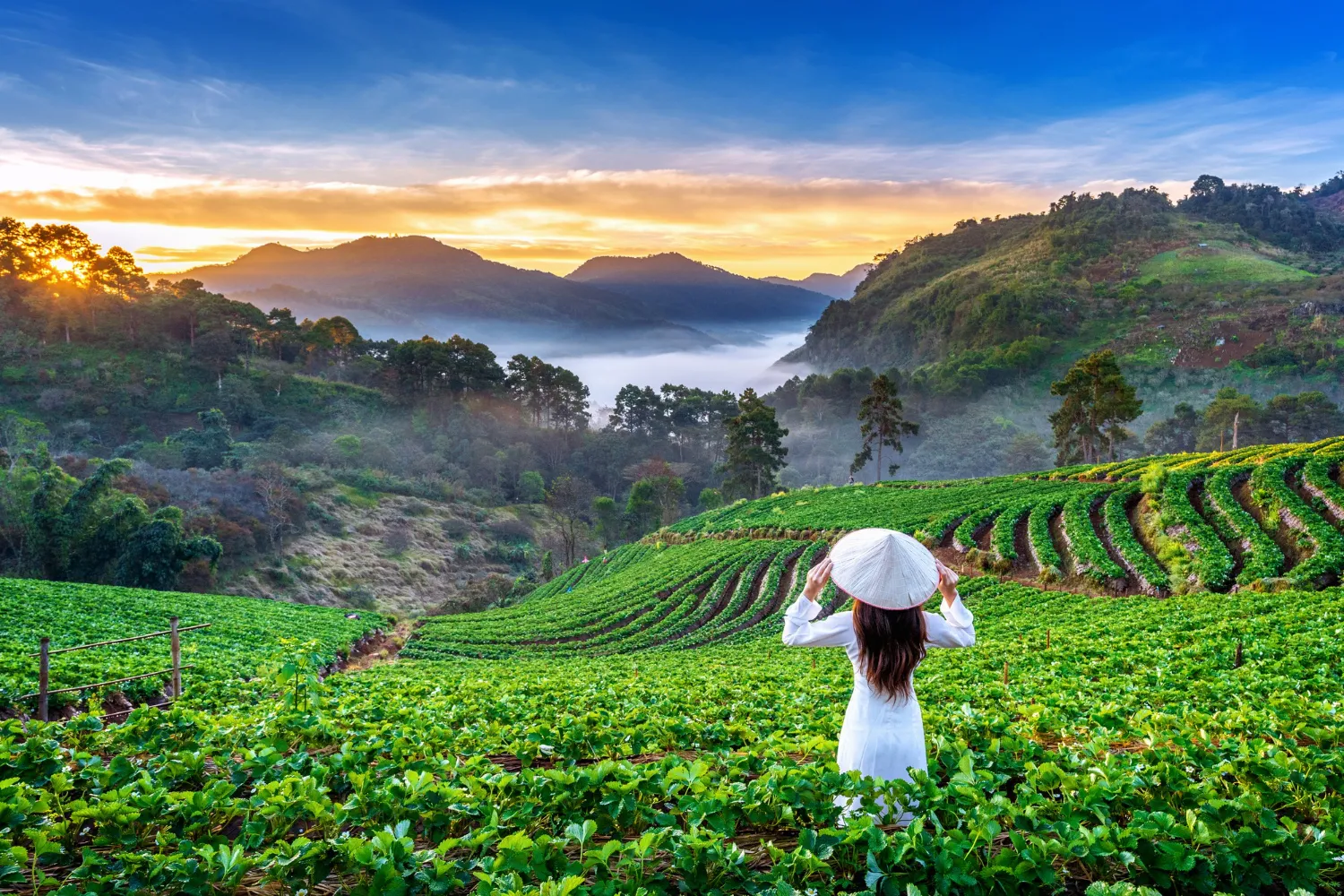
- Hanoi: The capital blends lakeside charm, street-side pho stalls, and colonial streets, a good base to explore northern highlights.
- Halong Bay: Limestone karsts and emerald waters, best experienced on an overnight cruise for sunrise and cave visits.
- Hoi An: An atmospheric old town with lantern streets, tailoring shops, and nearby beaches. Perfect for slow strolls and custom clothing.
- Mekong Delta: The Mekong Delta charms with peaceful boat rides, bustling floating markets, and serene riverside villages.
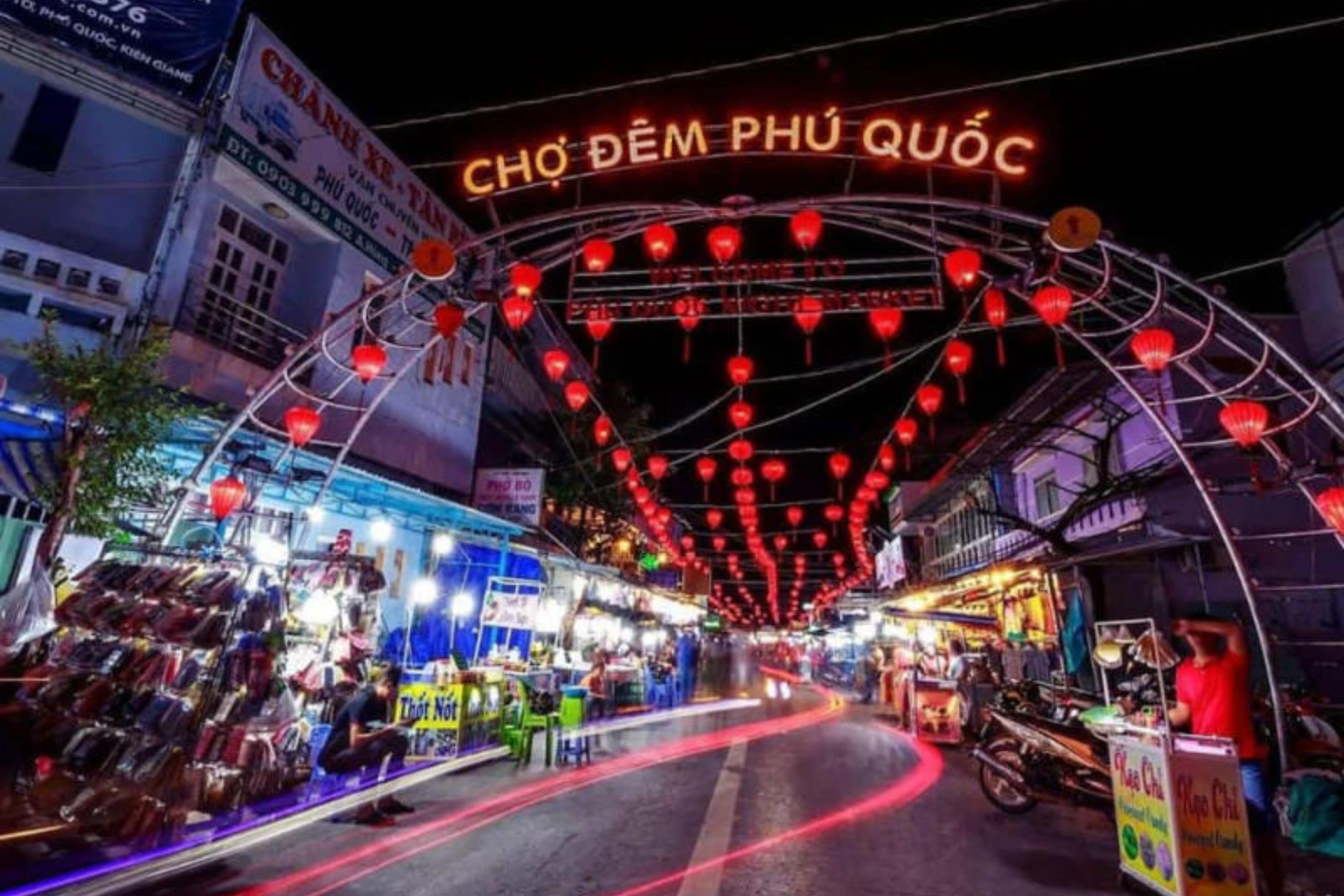
- Phu Quoc: This island is a tropical paradise known for its white-sand beaches, clear waters, and relaxed island vibes.
Top Activities
Both countries reward active travel, water sports, cultural experiences, and food tours, which are highlights. Below are activities that define each place.
Bali
- Surfing & beach clubs: From beginner lessons in Kuta to expert breaks at Uluwatu, Bali’s surf scene is huge. Beach clubs add a social, relaxed side to beach days.
- Yoga retreats & wellness: Ubud’s wellness corridor hosts yoga, detoxes, and spa experiences, great for a restorative week.
- Temple visits & cultural shows: The island’s rituals and dance performances are intimate, colorful, and easy to include in day plans.
- Diving & snorkeling: Nusa Penida’s manta rays, Amed’s coral slopes, and Menjangan Island’s clear sites are strong draws for underwater lovers.
- Mount Batur sunrise trek: A popular early-morning hike with rewarding sunrise views and volcanic landscapes.
Vietnam
- Halong Bay cruising & kayaking: Overnight cruises offer caves, kayaking, and seafood dinners under lantern-lit decks.
- Motorbike loops & coastal drives: From the Hai Van Pass to countryside routes, road trips in Vietnam are iconic for scenic views and freedom.
- Trekking in Sapa & northern hills: Multi-day treks through tribal villages and terraced farms offer cultural depth and photo opportunities.
- Food tours & street-eating: Hanoi and Hoi An are excellent for guided food walks to sample pho, banh mi, and local snacks.
- Cave expeditions (Phong Nha): For adventurous travellers, exploring vast cave systems and underground rivers is a highlight.
Must Read: Bali vs Vietnam: The Ultimate Activity Comparison
Top Hotels
Both countries host everything from budget stays to stunning luxury.
Bali
- Budget & boutique stays: Guesthouses and boutique homestays in Ubud can give character and friendly service for a low price.
- Mid-range resorts & villas: Private pool villas, beachfront hotels, and family-friendly resorts are easy to find in Seminyak, Sanur, and around Ubud.
- Luxury & private villas: Cliffside resorts, wellness resorts, and private villas (often with staff) offer privacy and high-end amenities, great for honeymoons and splurges.
Vietnam
- City boutique & colonial hotels: Hanoi and Hoi An have charming heritage hotels with a local feel; many are boutique, centrally located, and well-priced.
- Beach resorts & coastal hotels: Da Nang and Phu Quoc host resort strips with family-friendly and luxury options.
- High-end city hotels: Saigon and Hanoi boast international luxury chains with business conveniences and premium dining.
Plan your ultimate Bali getaway with 30 Sundays! Book now for a hassle-free trip filled with stunning beaches, cultural experiences, and unforgettable adventures.
Also Read: Bali vs Vietnam: The Real Stay Experience Comparison
Visa Norms
Visa rules can feel a little confusing when you are planning a trip. Luckily, both Bali and Vietnam make it pretty straightforward for tourists. Here’s a quick look at what you need to know before packing your bags.
Also Read: Bali vs Vietnam: Best for First-Time International Travelers from India

- Bali: Indonesia has used a mix of visa-on-arrival, and e-visa which you can apply online for Indian travellers. A VoA is available for short stays of up to 30 days and can be obtained at the port of entry, with an option for one extension. Both require a passport with at least six months validity, a return ticket back to India, and may have additional supporting documents.
- Vietnam: There are two basic types of visas available for Indian travellers: an electronic visa (e-visa), which can be applied for online, or a Visa on Arrival (VoA). Both require a passport with at least six months validity, a return ticket back to India from Vietnam, and may have additional supporting documents.
- Practical tips: Apply early if you need a pre-approved visa, keep digital and printed copies of confirmations, and always have hotel bookings and return tickets handy during immigration checks.
Punjab and Haryana couples choosing Vietnam can book our Vietnam packages from Chandigarh.
Flights & Connectivity
Flight options shape your travel time and budget. Bali is often one hop away via regional hubs; Vietnam’s main cities are well connected, but regional flights help cover long distances.
- Direct flights & durations: Flights from India to Bali (Denpasar) may be direct seasonally or have short stops via Kuala Lumpur, Singapore, or Jakarta; typical travel time is 6–10 hours depending on connections. India to Vietnam (Hanoi/Ho Chi Minh City) often has direct and one-stop options, and the flight time is shorter than Bali on some routes.
- Airlines & frequency: Budget carriers and full-service airlines serve both destinations; frequency increases in high season. For internal travel in Vietnam, low-cost domestic carriers make north-south hops easy; in Bali, ferries and short flights link islands.
- Layovers & hubs: Common layovers for Bali include Singapore, Kuala Lumpur, and Jakarta; Vietnam connections sometimes route via Bangkok or Singapore if no direct flight exists from your city. Layovers can lower fares but add travel fatigue.
- Internal connections: Vietnam’s long shape means domestic flights are practical for saving time; Bali’s highlights sit closer together, so road transfers and ferries often suffice.
Cuisine Options
Food is a reason to travel to both places. Bali brings Indonesian and Balinese flavours with a healthy cafe scene; Vietnam’s street food is world-famous and varies dramatically by region.
- Bali: Try nasi goreng (fried rice), mie goreng, babi guling (Balinese roast, which is not for vegetarians), lawar, and fresh seafood. The cafe and healthy-eating scene is strong in Ubud and Canggu.
- Vietnam: Pho, banh mi, bun cha, fresh summer rolls, and excellent seafood are essentials; each region has its specialties and local twists. Street food culture is central to daily life.
- Indian food & vegetarian/Jain options: Bali: international and Indian restaurants are common in tourist zones; vegetarian choices are plentiful in wellness hubs, but Jain restrictions (no root vegetables) may need special requests. Vietnam: Indian restaurants mainly in cities; vegetarian options exist, but many local dishes use fish sauce, asking for meat/fish-free versions.
- Practical food tips: In both countries, eat at busy stalls for fresher food, carry basic rehydration sachets if you’re sensitive, and be open to trying local snacks; they are often the best memories.
Must Read: Bali vs Vietnam: Which Is Easier If You Need Indian Food Daily
Shopping Scene
Shopping is different in tone: Bali is artisanal and craft-focused, while Vietnam offers tailored goods, silk, coffee, and value shopping.

Bali
- Markets & crafts: Ubud’s artisan markets, Seminyak boutiques, and beach stalls sell batik, woodcarvings, silver jewellery, and handmade clothing. Bargain, but do respect craftsmanship.
- Souvenirs to look for: Handwoven baskets, silver pieces from Celuk, and beachwear from local designers are popular and easy to carry.
Vietnam
- Markets & specialties: Hoi An’s tailors (quick, good quality), Hanoi’s silk, lacquerware, and coffee from the Central Highlands are standout buys. Street markets offer good bargains if you’re willing to haggle.
Shopping tip: For tailoring in Vietnam, allow time for fittings; in Bali, check material quality and shipping options for larger items.
Explore Vietnam like never before with 30 Sundays!
Transportation
Getting around shapes your trip experience. Bali is scooter-friendly and often best with a private driver for day trips; Vietnam feels alive on two wheels and has an expanding public transport network.
Bali
- Local transport: Scooters are the most common and the easiest way to explore small towns, but hire a driver for long day trips if you prefer safety and local knowledge. Taxis and ride-hailing apps (Grab) are available in tourist zones.
- Island hopping & ferries: Ferries and fast boats connect Bali to the Nusa islands and Lombok/Gili, plan schedules and ferry timetables, especially in the monsoon season.
Vietnam
- Local transport: Motorbikes rule city streets; taxis, Grab, and cyclos are handy in cities. For long distances, trains (Reunification Express), night buses, and domestic flights are efficient.
In 30 Sunday trips, we take care of everything end-to-end
If you book a package, expect airport pickups, transfers, and curated local travel arrangements, which reduce planning stress and make island-to-mainland transitions smoother.
NCR travellers can view our Vietnam packages from Ghaziabad with seamless departure options.
Which Should You Choose? Bali Or Vietnam
Both Bali and Vietnam are beautiful in their own ways, offering stunning landscapes, rich culture, and unforgettable experiences. The choice really comes down to the kind of holiday you are dreaming of relaxed island vibes or a journey through diverse landscapes.
Bali
- The Island of the Gods: Bali is perfect if you are dreaming of beaches, surf waves, and tropical sunsets. The island has a mix of luxury villas, cozy homestays, yoga retreats, and lively nightlife. Whether it’s lounging by infinity pools, exploring waterfalls, or experiencing Balinese culture and temples, Bali gives you that classic tropical escape.
- Easy, Relaxed, and Romantic: If you want a trip that is simple to plan, Bali delivers. With plenty of resorts, spas, and beach clubs, it’s a go-to for honeymoons and relaxing getaways. The island is compact, so you can enjoy beaches, jungles, temples, and rice terraces all within a short drive.
- Wellness and Lifestyle: Bali is famous for its wellness scene, with yoga retreats, organic cafes, and healing experiences. It is also a hub for surfing, diving, and beach adventures. The pace can be as slow or as lively as you want, giving you total flexibility.
Vietnam
- Adventure and Discovery: Vietnam is for those who love exploring a little further. Every region feels different from Hanoi’s old-world charm to Da Nang’s modern vibe, from the Mekong Delta’s floating markets to Ha Giang’s winding mountain roads. There’s always something new to see, so it’s a paradise for curious travelers.
- A Journey Through Landscapes and Culture: Vietnam shines with its variety like mountains, rice terraces, caves, islands, and vibrant cities. It is a place where you can trek in Sapa, cruise Ha Long Bay, or relax on the beaches of Phu Quoc. Street food is everywhere, buzzing with flavors, and the local culture is warm and welcoming, making every trip feel rich and memorable.
- History and Heritage: Vietnam offers a deep cultural journey through ancient temples, French colonial towns, and traditional markets. Places like Hoi An and Hue feel like stepping back in time, while still giving you modern comforts. Every city and village has its own story, adding richness to your travels.
Andhra Pradesh couples can book our Vietnam packages from Visakhapatnam — beaches + culture combo.
Final Verdict
Choosing between Bali and Vietnam comes down to what you want from your holiday. If you want an island rhythm, surf, spa, rice terraces, and short transfers, Bali is a simple, beautiful choice that lets you unwind without packing your itinerary full of long travel days. The island’s wellness scene, private villas, and consistent tropical scenery make it perfect for slowing down, celebrating, or a chill honeymoon. Bali’s charm is in its concentrated beauty and relaxed, service-oriented tourist infrastructure.
Vietnam, on the other hand, is a travel playground for people who want variety and discovery. It is a country of contrasts, misty highland terraces, dramatic limestone bays, busy street markets, and colonial alleys, where each region feels like a new world. If you love food, cultural depth, and overland exploration, Vietnam gives you more types of experiences in one trip. It rewards slow travel and regional hopping with big cultural and visual payoffs.
On the practical front, Bali or Vietnam, which is cheaper? Both can be done on a budget or in style. Vietnam often stretches your money further for overland travel and street food, while Bali can feel pricier once you start booking villa stays and guided activities. Your travel style will decide whether cost or comfort matters more: backpackers may favour Vietnam’s low-cost routes, while couples seeking privacy might prefer Bali’s villa value.
If you still ask Bali or Vietnam which is better? Think of it this way: pick Bali for an island holiday that’s low-effort and scenic, pick Vietnam for a long, varied trip that feeds curiosity and appetite. Both are safe, welcoming, and brilliant, and both deserve time on your travel list. Whatever you choose, plan the experiences you care about first, book the key things early, and leave room to wander.
Couples looking for a romantic escape can consider this romantic Vietnam tour package for couples, which covers Vietnam's most charming destinations with thoughtfully planned experiences.
Frequently Asked Questions
Which is better, Bali or Vietnam?
Neither Bali nor Vietnam is truly “better” because both offer very different kinds of trips. Bali is ideal if you want relaxation, luxury stays, beach life, and an easy tourist setup. Vietnam, on the other hand, is great for adventure, cultural experiences, varied landscapes, budget-friendly travel, and amazing food. The choice really depends on you, whether you’d prefer a calm island escape or an adventurous journey filled with history and flavors.
Is it cheaper in Vietnam or Bali?
Vietnam is known for being very budget-friendly, with lower costs for food, accommodation, and activities, making it perfect for travelers who want to explore more for less. Bali, on the other hand, shines with a wide range of luxury options, beautiful beach stays, and wellness experiences, while still offering affordable choices for things like local transport. Both destinations have their own charm, Vietnam for a rich cultural adventure on a budget, and Bali for a relaxing, luxurious island escape.
Is Vietnam worth going to?
Vietnam is definitely worth a visit, with its rich culture, stunning landscapes like Ha Long Bay, amazing food, and lively cities, all at very affordable prices. While there can be minor annoyances or scams in busy tourist areas, a little caution and research can easily help you avoid them. For travelers who love good food, culture, photography, and meeting friendly locals, Vietnam offers a truly unique and memorable experience.
Should I go to Bali or Thailand?
If you love jungles, waterfalls, rice fields, and catching waves while surfing, Bali is the perfect option for you. But if dreamy white-sand beaches, calm waters, snorkeling, kayaking, and hiking are more your style, then Thailand is the best option for you.








.webp)