



Sri Lanka is often known for its beaches and culture, but the country hides a wild and green side that few explore. If you have dreamed of trekking through misty rainforests, spotting rare wildlife, or boating through untouched national parks, Sri Lanka quietly delivers in every direction. This is not your typical guide to beaches and cities; this is about stepping into the raw, unfiltered outdoors.
From ancient rainforests like Sinharaja to dry-zone national parks like Wilpattu and Gal Oya, the island holds some of the richest biodiversity in Asia. Wild elephants roam freely, leopards sit quietly in the shadows, and tropical birds fill the canopy with color. Whether you prefer guided safari drives, soft hiking trails, or immersive eco-lodges, you’ll find adventure here without the heavy tourist crowds.
What makes Sri Lanka special is how accessible everything is. Within a short drive, landscapes change, from rainforest to savannah-like plains to mountains wrapped in clouds. For travelers seeking Sri Lanka adventure holidays, adventure things to do in Sri Lanka, and meaningful nature escapes, this is the side of the island you’ll fall in love with.
Table of Contents
- Sinharaja Rainforest
- Knuckles Mountain Range
- Kanneliya Forest Reserve
- Wilpattu National Park
- Yala National Park Block 3–5
- Wasgamuwa National Park
- Bundala National Park
- Horton Plains National Park
- Kithulgala Rainforest
- Udawalawe National Park
- Gal Oya National Park
- Minneriya & Kaudulla National Parks
- Final Verdict
- FAQs
Sinharaja Rainforest
.webp)
Sinharaja is a UNESCO rainforest famous for its misty trails, waterfalls, and deep green canopy. It feels ancient, quiet, and alive, with thick biodiversity surrounding you at every turn. The trek routes range from easy walks to steeper forest paths that take you deeper into the reserve. Morning hours are the best for clear views and cooler temperatures.
The wildlife here is vibrant and mostly within the trees and forest floor. You’ll find rare birds, amphibians, butterflies, and endemic mammals like the purple-faced langur. Guided nature walks help you spot movement among the branches and leaf litter. This place is ideal for learning how wildlife thrives in a true rainforest ecosystem, one of the top sri lanka adventure activities for nature enthusiasts.
Food Options: Around Sinharaja, food options are simple and mostly homestyle. Guesthouses serve rice and curry, fresh juices, coconut-based dishes, and jackfruit preparations. Villages nearby have small eateries offering snacks, tea, and local sweets. Most travelers eat at their lodge before and after their trek, which works best due to limited commercial cafes.
Travel Tips: Before entering Sinharaja, wear moisture-wicking clothes, hiking shoes, and carry rain protection. The forest floor gets slippery so proper footwear helps. Bring insect repellent, water, and a light snack for energy. This rainforest suits travelers planning Sri Lanka adventure holidays, so packing smart makes the journey safer and more memorable.
Start planning your Sri Lanka holiday with 30 Sundays.
Knuckles Mountain Range
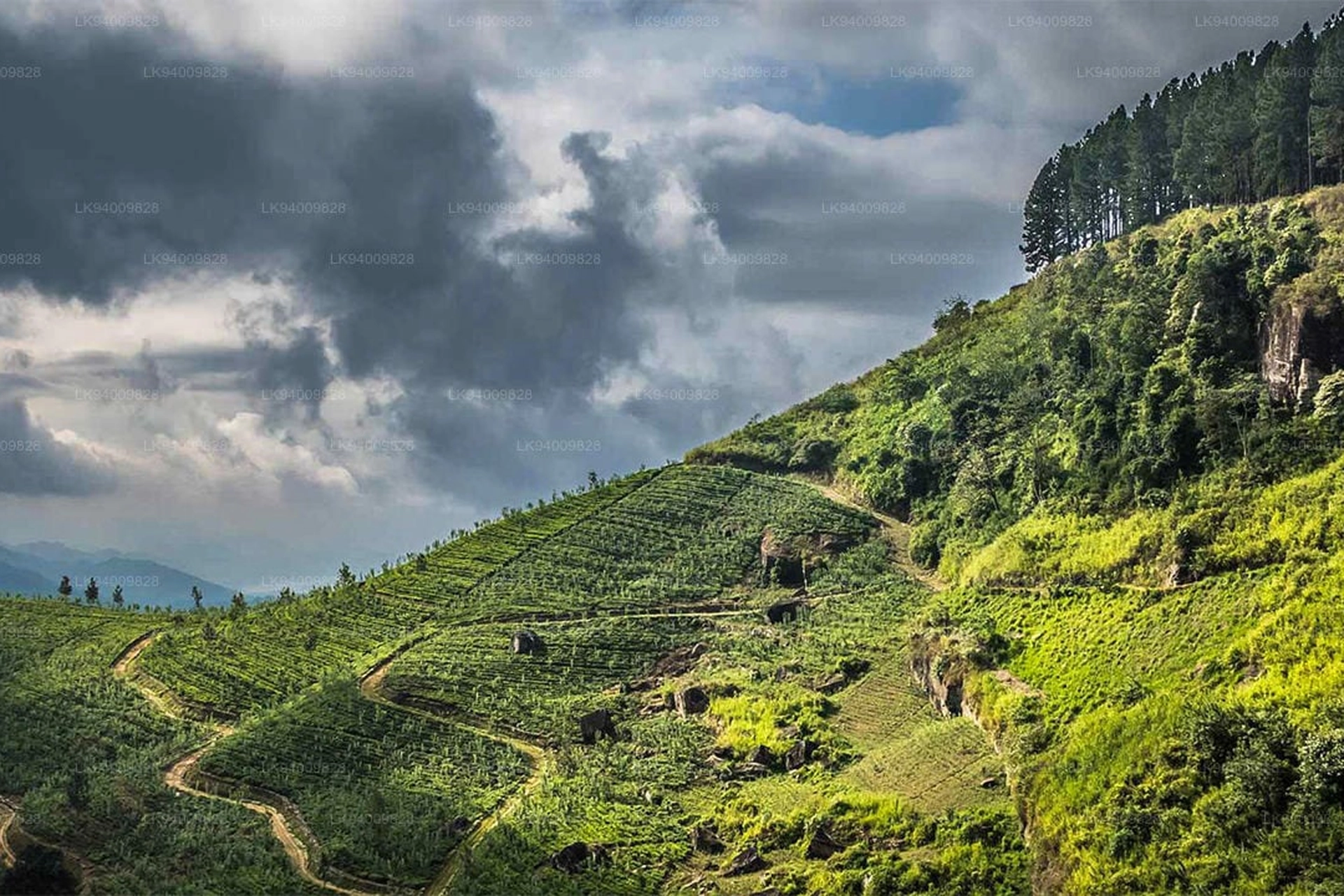
Knuckles is known for cloud forests, hidden waterfalls, and rugged hiking ridges that feel untouched. Its villages and terraced farms give a raw rural charm, and mountain views appear and disappear with rolling fog. Trails vary from day hikes to multi-day treks that pass through forests, streams, and grasslands. It’s a perfect escape for travelers who enjoy cooler highland climates.
Wildlife here includes sambar deer, macaques, reptiles, and rare birds adapted to montane forests. Bird watchers find this region exciting because sightings are frequent in the morning. The silence of the mountains allows you to hear wildlife before you see them. Spotting mammals on ridges or by streams is one of those adventure things to do in Sri Lanka that feels genuinely wild.
Food Options: They revolve around rice, vegetables, dhal, curries, and rotis. Eco-lodges serve set menus using fresh local produce, while village homes offer simple but hearty meals. Some trekking companies pack lunch boxes for long routes. Tea shops along highways sell snacks and warm beverages for quick breaks.
Travel Tips: Before visiting Knuckles, check the weather because rain can hit without warning in highlands. Wear warm layers and sturdy shoes suitable for steep and rocky paths. Pack hydration, first aid, and a trekking pole if necessary. Knuckles welcomes people looking for sri lanka adventure holidays, so preparing correctly ensures a smooth and rewarding mountain experience.
Kanneliya Forest Reserve
.webp)
Kanneliya is a quieter rainforest compared to Sinharaja, rich with streams, caves, and thick canopy cover. Trails feel peaceful with bird calls echoing through dense trees. Hikers can explore viewpoints, swinging bridges, and waterfalls within the reserve. The tropical humidity adds to the atmosphere, making it feel truly wild and immersive.
Wildlife sightings include birds, reptiles, freshwater fish, and mongooses. The forest floor moves with hidden amphibians and insects while the canopy hosts colorful bird species. Spotting wildlife while crossing streams or walking beside rivers offers a refreshing change from dry zone safaris. Exploring biodiversity here counts among top sri lanka adventure activities for rainforest lovers.
Food Options: Around Kanneliya, small cafes and local eateries serve rice and curry, fish dishes, kottu, and fresh fruit juices. Tourism is less commercial in this zone, so food remains affordable and authentic. Some travelers pack snacks from Galle city before heading in. Homestays offer breakfast and dinner for trekkers staying overnight.
Travel Tips: Carry breathable clothing, insect repellent, a rain jacket, and good trekking shoes. Humidity can be high so hydration matters. Respect forest rules, avoid loud noises, and stick to marked trails. Kanneliya is a fitting destination for Sri Lanka adventure holidays, especially for travelers seeking green escapes and quieter nature-based journeys.
Ready to plan your own Sri Lanka story? Save this itinerary and start building a trip filled with beaches, tea hills, sunsets, and slow moments you’ll remember for years.
Wilpattu National Park

Wilpattu is the largest national park in Sri Lanka and feels raw and vast. Its forests are mixed with sand dunes and natural lakes called “villus” that attract wildlife. Safaris here feel patient and rewarding, with long drives through varied landscapes. This region is less crowded than Yala, making sightings more serene.
Wildlife highlights include leopards, sloth bears, elephants, crocodiles, deer, and raptors. The villus serve as watering points where animals gather. Tracking big cats on quieter safari routes is thrilling and one of the rare adventure things to do in Sri Lanka involving predator ecosystems. Morning and late-afternoon safaris offer the best activity.
Food Options: It includes safari camps offering buffet meals, BBQ dinners, and packed lunches for full-day safaris. Local restaurants near the park serve rice & curry, fried rice, seafood, roti, and snacks. Tented lodges provide premium dining for travelers booking high-end safari experiences.
Travel Tips: Wear neutral-colored clothing, a hat, sunglasses, and carry sunscreen for long drives. Cameras need spare batteries and lens cloth due to dust. Book safaris with certified guides for safety. Wilpattu attracts many who plan sri lanka adventure holidays, offering a raw blend of forest wilderness and big-cat excitement.
Yala National Park Block 3–5

The offbeat blocks of Yala feel quieter than the mainstream safari zones. Here the landscape shifts between scrub forests, dunes, lakes, and dusty tracks. The air feels dry and bright, with large open spaces that reveal dramatic sunsets. It’s one of the best places to feel the wild mood of Sri Lanka without crowds.
Wildlife here includes elephants, mugger crocodiles, peacocks, foxes, jackals, and many birds. Leopards roam these blocks, often seen crossing dunes or drinking at lakes. Safari drives feel suspenseful because you never know what might emerge on the open paths. The pace is slow, calm, and deeply rewarding for patient wildlife lovers.
Food Options: They are mainly available through safari camps, lodges, and tented experiences. Camps offer hearty buffets, BBQ nights, picnic lunches, tea, and snacks between game drives. Nearby towns like Kataragama and Tissamaharama have local restaurants for rice & curry, kottu, seafood, and fresh juices. Many safari operators also pack lunches for full-day drives.
Travel Tips: Wear neutral clothing, a hat, sunglasses, and apply sunscreen due to high sun exposure. Bring binoculars, a zoom lens, spare batteries, and dust covers for cameras. Stay quiet during sightings to avoid disturbing animals. Book certified guides and 4x4 jeeps for safety and smoother navigation through remote blocks.
Your travel month affects weather, pricing & stays, choose wisely. See the best months to visit Sri Lanka for couples.
Wasgamuwa National Park
Wasgamuwa is a wild blend of riverine forests, grasslands, and rugged terrain. This park feels remote and less commercial, giving visitors an authentic Sri Lankan wilderness feel. The Mahaweli River runs along its boundary, adding lushness to the landscape. It’s a peaceful habitat rich in greenery and river views.
Wildlife sightings include elephant herds, spotted deer, sloth bears, and raptors. The presence of thick bushes and tall grasslands increases the element of surprise. The park also supports a strong bird population thanks to its river ecosystem. Safaris here feel immersive, raw, and pleasantly unpredictable.
Food Options: They are basic around Wasgamuwa, but lodges serve rice & curry, pol sambol, fish dishes, and fresh fruit. Some eco-stays prepare traditional meals using local produce. Travelers often stock snacks and water before entering the park. Packed lunches are available for those doing extended safaris.
Travel Tips: Wear long sleeves, light trousers, and sturdy shoes for comfort and safety. Mosquito repellent is useful due to river proximity. Bring plenty of water, especially on warm days. Roads can be rough, so choose reliable safari operators and avoid late-evening travel inside the park.
Bundala National Park
Bundala offers a coastal jungle setting with lagoons, salt marshes, and low shrubs. The landscape feels open and bright with water bodies reflecting the sky. This wetland ecosystem attracts both local and migratory species throughout the year. It’s a calm and scenic destination ideal for nature observation.
Wildlife includes flamingos, turtles, crocodiles, wild boar, and countless migratory birds. During certain months, pink flamingos feed in shallow lagoons, creating a stunning sight. The park is also home to many aquatic species around the marshes. Bird lovers often consider Bundala a paradise for spotting rare feathered guests.
Food Options: It includes eateries and guesthouses around Hambantota and Tissamaharama. Meals typically feature seafood, rice & curry, fried rice, juices, and tea. Some hotels prepare packed meals for bird watchers heading out early. Street stalls sell snacks for quick bites before drives.
Travel Tips: Dress light and comfortable due to coastal humidity. Bring sunglasses, hats, sunscreen, and binoculars for bird viewing. Footwear should be easy to walk in, especially near marshy areas. Mornings and late afternoons provide the best lighting and cooler temperatures.
Horton Plains National Park
.webp)
Horton Plains is a cloud forest mixed with grasslands, cliffs, and rolling mist. The landscape feels cool, fresh, and dramatic, especially near the World's End lookout. Hikes here take you through forest patches, open plains, and streams. The atmosphere is serene, with soft breezes and wide sky views.
Wildlife includes sambar deer, giant squirrels, owls, and endemic birds. Sambar deer often graze openly, making them easy to spot. The forest edges hide smaller animals that emerge during early hours. Bird watchers enjoy the mix of highland species found only in this region.
Food Options: They are mostly available in Nuwara Eliya, offering bakery snacks, rice & curry, soups, fried rice, and warm beverages. Many travelers eat breakfast before entering and pack snacks for the trail. Tea estates nearby offer hot tea and light meals with scenic views. Higher-end hotels provide packed lunches on request.
Travel Tips: Wear warm clothing, as temperatures can drop quickly with mist. Good hiking shoes are essential for rocky and slippery paths. Carry water, snacks, and a rain jacket due to unpredictable weather. Arrive early to avoid fog blocking the views at World’s End.
Kithulgala Rainforest
.webp)
Kithulgala is a lush rainforest surrounded by rivers, waterfalls, and thick greenery. The landscape feels alive with water sounds and tropical humidity. Trails lead to caves, natural pools, and wet forest paths. It’s also known for its colonial film history with scenes from “The Bridge on the River Kwai.”
Wildlife includes reptiles, amphibians, butterflies, birds, and freshwater fish. Many species thrive in the moist environment and river ecosystems. Early morning walks offer a higher chance of sightings. The rainforest provides photographers with vibrant biodiversity at close range.
Food Options: Nearby food options include roadside eateries, adventure lodges, and guesthouses. Dishes include rice & curry, kottu, noodles, fried rice, and hoppers. Lodges often serve buffet meals for groups involved in water activities. Fresh fruit and juices are easily available in town.
Travel Tips: Wear comfortable clothing that dries quickly due to frequent water contact. Use anti-slip footwear suitable for wet surfaces. Bring waterproof covers for phones and cameras. Check weather conditions, as rain can change river levels and trail access.
Udawalawe National Park
.webp)
Udawalawe features open forests, tall grasslands, and a massive reservoir at its center. The landscape is bright, warm, and easy for game viewing. Safari tracks pass through plains where animals graze in the open. The environment feels expansive compared to jungle-heavy parks.
Wildlife highlights include elephant herds, water buffalo, crocodiles, deer, eagles, and hornbills. Elephants are the main attraction and are often seen at close range. Bird life thrives around the reservoir, offering beautiful photography opportunities. The relaxed pace of safaris adds to the charm.
Food Options: Food is available at safari lodges, tented camps, and small restaurants nearby. Meals include typical rice & curry, kottu, fried rice, and Western dishes in some lodges. Many hotels prepare breakfast packs for dawn safaris. Juice bars and tea shops offer quick refreshments after drives.
Travel Tips: Wear light clothing, hats, and sunglasses due to open sun exposure. Cameras need dust protection during dry months. Carry enough drinking water and use sunscreen generously. Early morning or late afternoon safaris are most comfortable and rewarding.
Gal Oya National Park
.webp)
Gal Oya offers a mix of forests, savannahs, and islands buried inside a vast reservoir. Boat safaris are a unique way to explore the water and surrounding jungle. The setting feels calm, scenic, and deeply natural without tourist crowds. It’s one of Sri Lanka’s most underrated wilderness zones.
Wildlife includes elephants, deer, crocodiles, and powerful raptors circling overhead. Elephants sometimes swim between islands, a rare and special sight to witness. Birds nest along lake edges, adding to the serene atmosphere. Land safaris also reveal mammals moving through forest trails.
Food Options: It includes eco-lodges and boutique stays serving rice & curry, lake fish dishes, fresh salads, and local produce. These stays focused on sustainability and homestyle meals. Visitors should eat at their lodge before excursions due to limited shops nearby. Packed meals are available for longer safaris.
Travel Tips: Wear breathable clothing and sturdy shoes for both land and boat excursions. Bring binoculars for viewing animals across the water. Mornings offer calmer waters and cooler temperatures. Plan transport in advance because the park is quite remote and isolated.
Minneriya & Kaudulla National Parks
.webp)
These parks combine dry forests, grasslands, and ancient reservoirs built by Sri Lankan kings. The open plains around the tanks offer wide viewing areas. The landscapes shift with seasons, becoming lush during monsoon and golden during dry months. The environment feels historic and wildlife-focused.
Wildlife includes elephants, deer, peacocks, jackals, and migratory birds. During the dry season, dozens to hundreds of elephants gather at the reservoirs. This natural event, known as “The Gathering,” is one of Sri Lanka’s most iconic wildlife spectacles. The viewing experience feels peaceful and awe-inspiring.
Food Options: They are available in Habarana, Sigiriya, and Dambulla towns. Restaurants serve rice & curry, kottu, biryani, seafood, and fruit juices. Hotels provide breakfast packs for early safaris. Tea shops along the road offer quick snacks and refreshments.
Travel Tips: Wear light clothing, hats, and sunglasses for day safaris. Bring binoculars for elephant viewing from afar. Avoid loud noises during herd sightings to respect the animals. Sunset safaris often offer beautiful lighting and comfortable temperatures.
Final Verdict
Exploring Sri Lanka’s Jungle & Wildlife is not just about spotting animals or ticking off nature trails. It’s about understanding how diverse and untouched the island still is. Few countries combine rainforest, mountains, and wildlife-rich plains within such short distances, making travel both convenient and exciting. Safaris here feel authentic; forests feel ancient; the experience feels grounded, not commercial.
If you are planning Sri Lanka adventure activities or looking for lesser-known eco experiences, you’ll find that Sri Lanka doesn’t try hard, it simply is wild by nature. From camping near national parks to peaceful riverboat safaris to rainforest trekking, the island gives you adventure at different difficulty levels, suitable for families, couples, photographers, and solo explorers.
In the end, the biggest surprise is how offbeat Sri Lanka still feels. Its jungles and national parks remain quiet and respectful of wildlife. So if you’ve been searching for a destination with raw nature, real adventure, and a deep ecological soul, Sri Lanka deserves your attention. It’s a reminder that you don’t need to travel far into the Amazon or Africa to feel wild; sometimes, a small island in the Indian Ocean is enough.
Frequently Asked Questions
What are the best natural places to visit in Sri Lanka?
Some of the best natural places include Sinharaja Rainforest, Horton Plains, Knuckles Range, Yala, Udawalawe, and Gal Oya. These regions blend misty mountains, dense jungles, wildlife-rich parks, and untouched reservoirs. Perfect for safari lovers, hikers, and nature photographers looking for real wilderness.
What are the most beautiful places you can travel in Sri Lanka?
The most beautiful spots range from montane cloud forests like Horton Plains to deep rainforests like Sinharaja, along with coastal bird sanctuaries like Bundala. Each place has a unique landscape like cliffs, grasslands, reservoirs, jungles, and lagoons. They offer quiet beauty far away from typical tourist crowds.
What are some unique places to visit in Sri Lanka?
Unique offbeat places include Wilpattu’s natural lakes, Gal Oya’s boat safaris, Kanneliya’s rainforest trails, and Minneriya–Kaudulla for “The Gathering.” These are spots where elephants swim between islands, birdlife covers lagoons, and rainforests stay untouched. Great for eco-travelers searching for rare sightings and unusual adventures.
What are the best places to hike in Sri Lanka?
Knuckles Mountain Range, Horton Plains, and Kitulgala Rainforest are among the best hiking regions. Trails take you through cloud forests, waterfalls, ridges, grasslands, and caves. With changing micro-climates and wildlife encounters, they offer challenging and rewarding hikes for trek lovers.




.webp)