



History isn’t just about timelines and textbooks, it is about walking through ancient streets, exploring royal capitals, and witnessing the architectural achievements of civilizations that came before us. Around the world, there are destinations that preserve stories of empires, spirituality, trade, and cultural evolution in ways museums alone cannot express.
For travelers who seek more than modern skylines, historical destinations offer something raw and immersive. From temples and forts to pyramids and imperial palaces, these places allow you to experience centuries of artistic, religious, and political history firsthand. Each city becomes a classroom, and every monument is a narrative.
What makes a historical trip unforgettable is the blend of learning, cultural exchange, and visual impact. Whether it’s the vast ruins of the Roman Empire, the Silk Road cities of Uzbekistan, or the Buddhist capitals of Sri Lanka, every site provides a new chapter in the story of humanity. It’s an enriching way to travel with depth and curiosity.
Table of Contents
Thailand
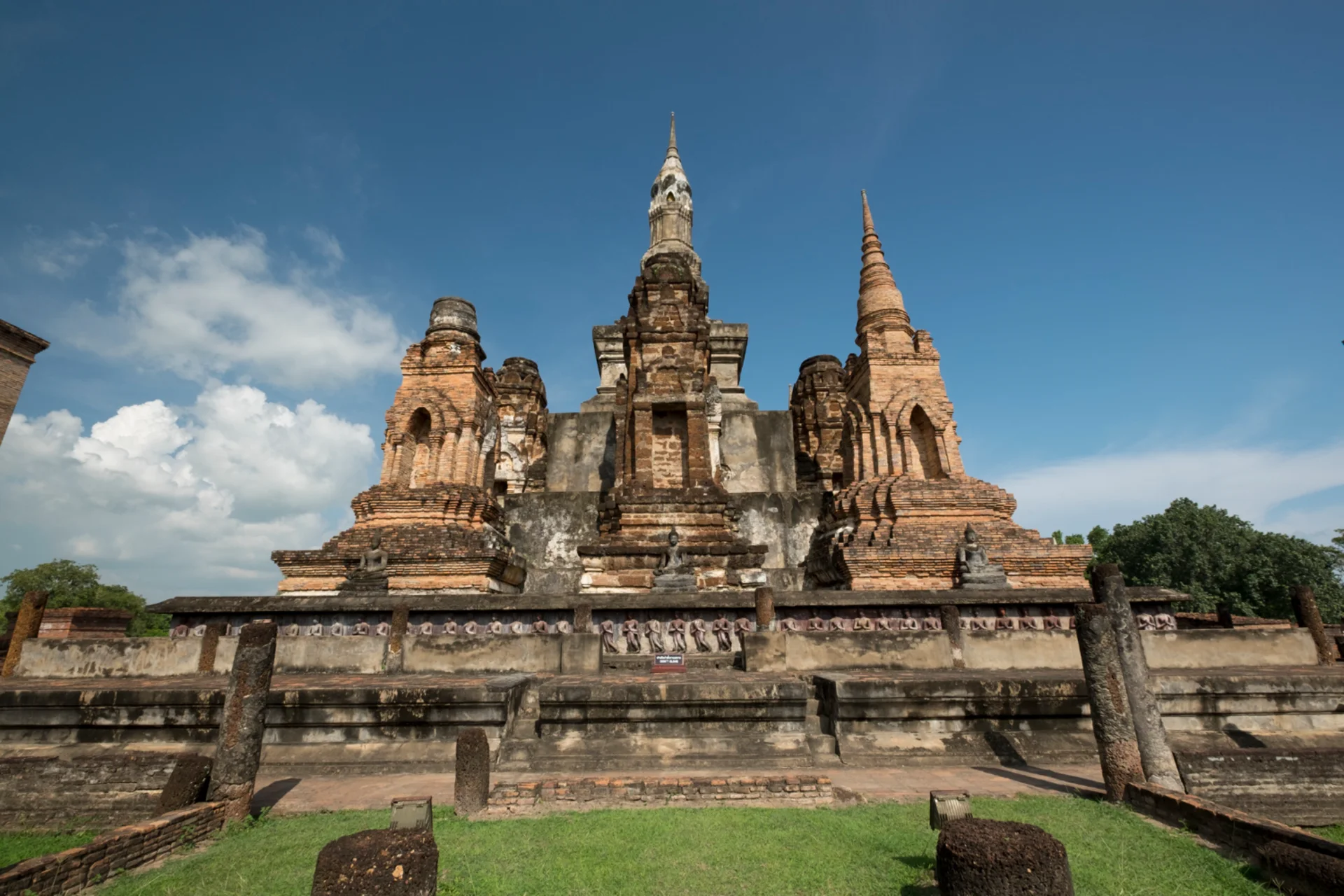
Thailand blends ancient kingdoms, temple architecture, and cultural heritage with modern tourism comfort. Historic capitals like Ayutthaya and Sukhothai showcase remnants of Siam’s royal past, while Bangkok reflects grand palaces and Buddhist artistry. Travelers interested in Southeast Asian empires will find Thailand culturally rich and accessible.
Ideal stay: 6–8 days covering Bangkok + Ayutthaya + Chiang Mai/Sukhothai.
Historical Places:
- Ayutthaya Historical Park: Ancient capital with temple ruins, Buddha statues, and royal palace remnants.
- Sukhothai Historical Park: UNESCO site with early Siamese architecture, stupas, and serene ponds.
- Grand Palace, Bangkok: Royal complex with ornate halls, the Temple of the Emerald Buddha, and historical artifacts.
- Wat Pho: Home to the Reclining Buddha and traditional Thai massage school.
Best Time to Visit: The ideal time is November to February, when weather is cool and pleasant for city walks and archaeological explorations. March to May is hotter but suitable for museum visits. June to October brings rain but fewer crowds and greener landscapes. For history-focused trips, winter months are most comfortable for full-day heritage tours.
Discover our handpicked Thailand packages.
Sri Lanka
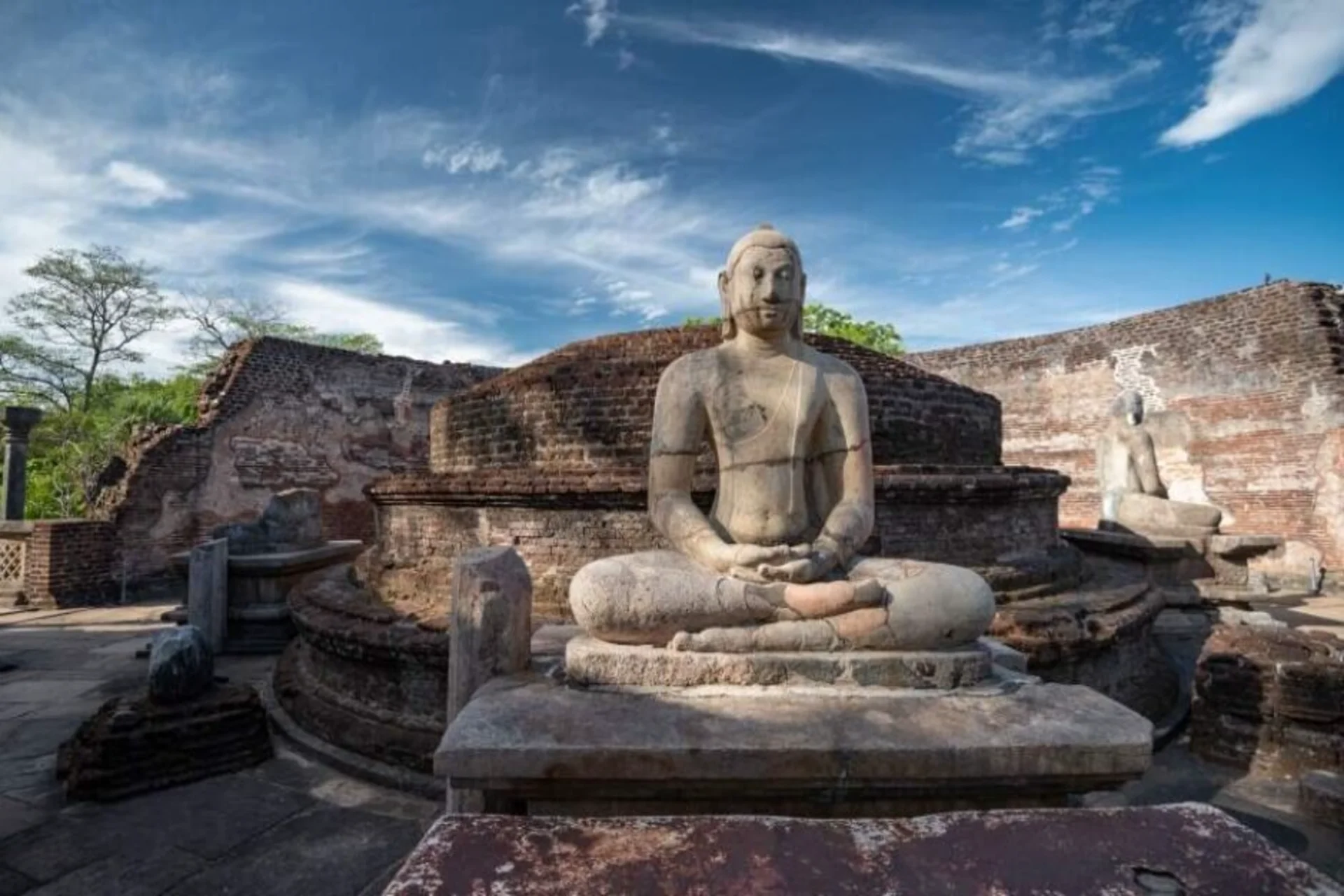
Sri Lanka is one of Asia’s most historically beautiful islands, featuring ancient capitals, sacred Buddhist sites, colonial forts, and cultural heritage spanning 2,000+ years. From ancient kings to European colonization, history enthusiasts enjoy diverse layers of civilization.
Ideal stay: 7–9 days, covering Anuradhapura/Polonnaruwa, Sigiriya, Kandy, and Galle.
Historical Places:
- Anuradhapura: Sacred city with massive stupas, ancient monasteries, and royal palaces.
- Polonnaruwa: UNESCO site featuring medieval architecture, statues, and irrigation systems.
- Sigiriya Rock Fortress: Giant rock citadel with frescoes, water gardens, and ancient defenses.
- Galle Fort: Dutch colonial fort showcasing European-style streets, ramparts, and lighthouse.
Ready to plan your own Sri Lanka story? Save this itinerary and start building a trip filled with beaches, tea hills, sunsets, and slow moments you’ll remember for years.
Best Time to Visit: Sri Lanka has split monsoons, so regions peak at different times. The West & South Coast (Colombo, Galle, Bentota) is best from December to April, while the East Coast (Trincomalee, Pasikuda) shines from May to September. The Central Highlands remain pleasant year-round. For historical travel in the Cultural Triangle, December to March is most popular.
Start planning your Sri Lanka holiday with 30 Sundays.
Vietnam
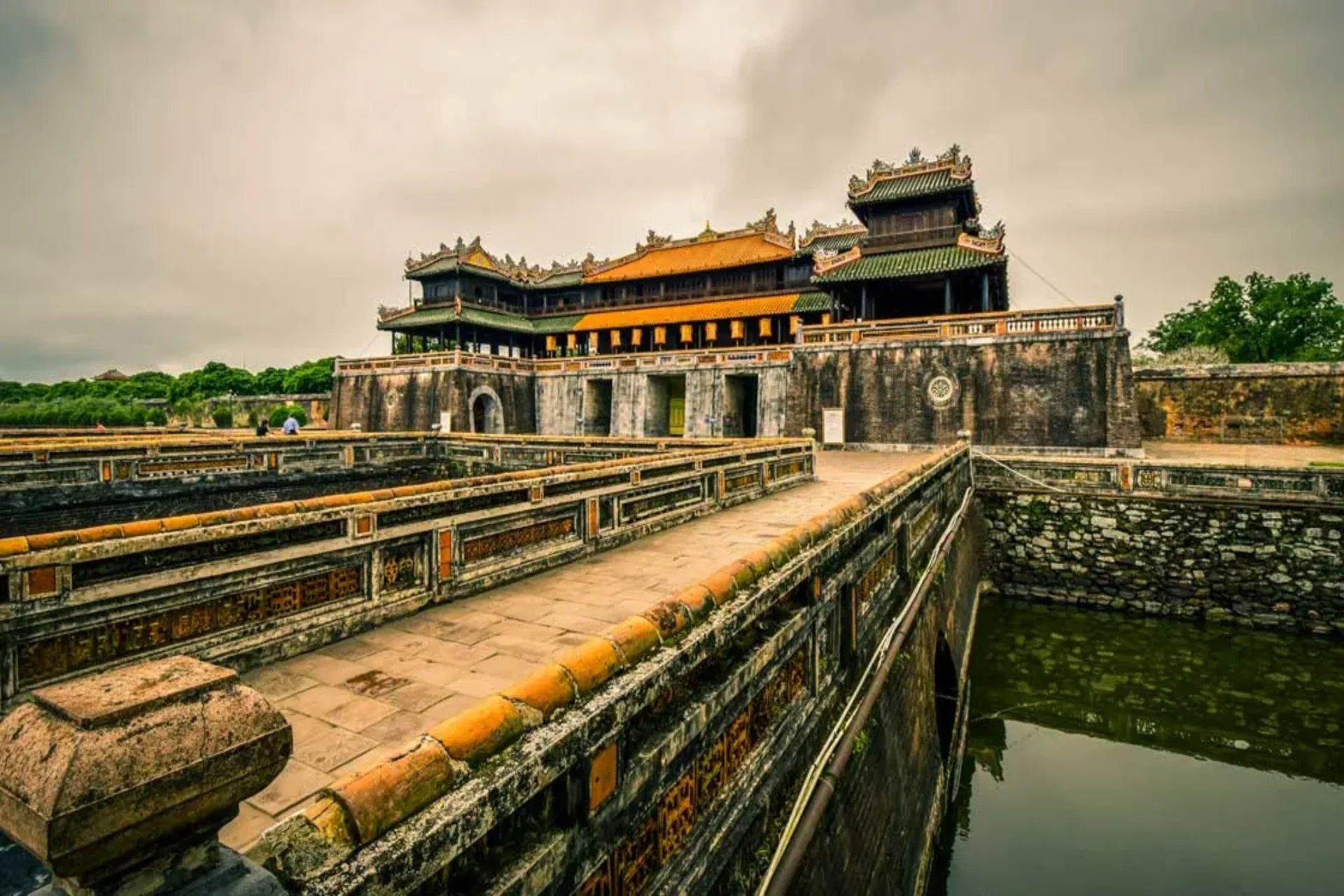
Vietnam offers a rich historical journey through ancient dynasties, colonial influences, wartime heritage, and traditional architecture. Its UNESCO towns, imperial cities, and museums narrate different historical chapters that shaped modern Vietnam.
Ideal stay: 7–10 days, covering Hanoi, Hue, Hoi An, and Ho Chi Minh City.
Historical Places:
- Hue Imperial City: Citadel, royal tombs, and palaces from the Nguyen Dynasty.
- Hoi An Ancient Town: Blend of Chinese, Japanese, and Vietnamese architecture from 15th–19th century.
- Cu Chi Tunnels: Underground network used during the Vietnam War, reflecting wartime ingenuity.
- Temple of Literature, Hanoi: Vietnam’s first university with Confucian heritage and ceremonial halls.
Best Time to Visit: Vietnam spans multiple climate zones, so the best time varies. For historic cities like Hanoi, Hue, and Hoi An, February to April and September to November offer pleasant weather for walking tours. Southern regions like Ho Chi Minh City are ideal from December to March. Overall, spring and autumn are perfect for heritage exploration.
Book Your Vietnam Tour Package with 30 Sundays Today and Travel Stress-Free.
Uzbekistan

Uzbekistan offers some of the world’s most iconic Silk Road history, with ancient caravanserais, grand madrasas, and blue-tiled Islamic architecture. Samarkand, Bukhara, and Khiva remain impeccably preserved, making it a dream for cultural and historical tours.
Ideal stay: 7–9 days, covering Tashkent, Samarkand, Bukhara, and Khiva.
Historical Places:
- Registan Square, Samarkand: Timurid-era madrasas and blue-tiled architectural marvels.
- Bukhara Ark Fortress: Ancient citadel showcasing royal residence and city defense structures.
- Kalyan Minaret, Bukhara: Iconic Islamic architectural landmark with historical significance.
- Itchan Kala, Khiva: Walled city preserving palaces, mosques, and traditional streets.
Best Time to Visit: Uzbekistan’s ideal season is April to June and September to October, when temperatures support full-day walking tours. Summer from July to August is very hot in desert regions, making outdoor sightseeing difficult. Winter is cold but scenic, especially for photography enthusiasts.
Egypt
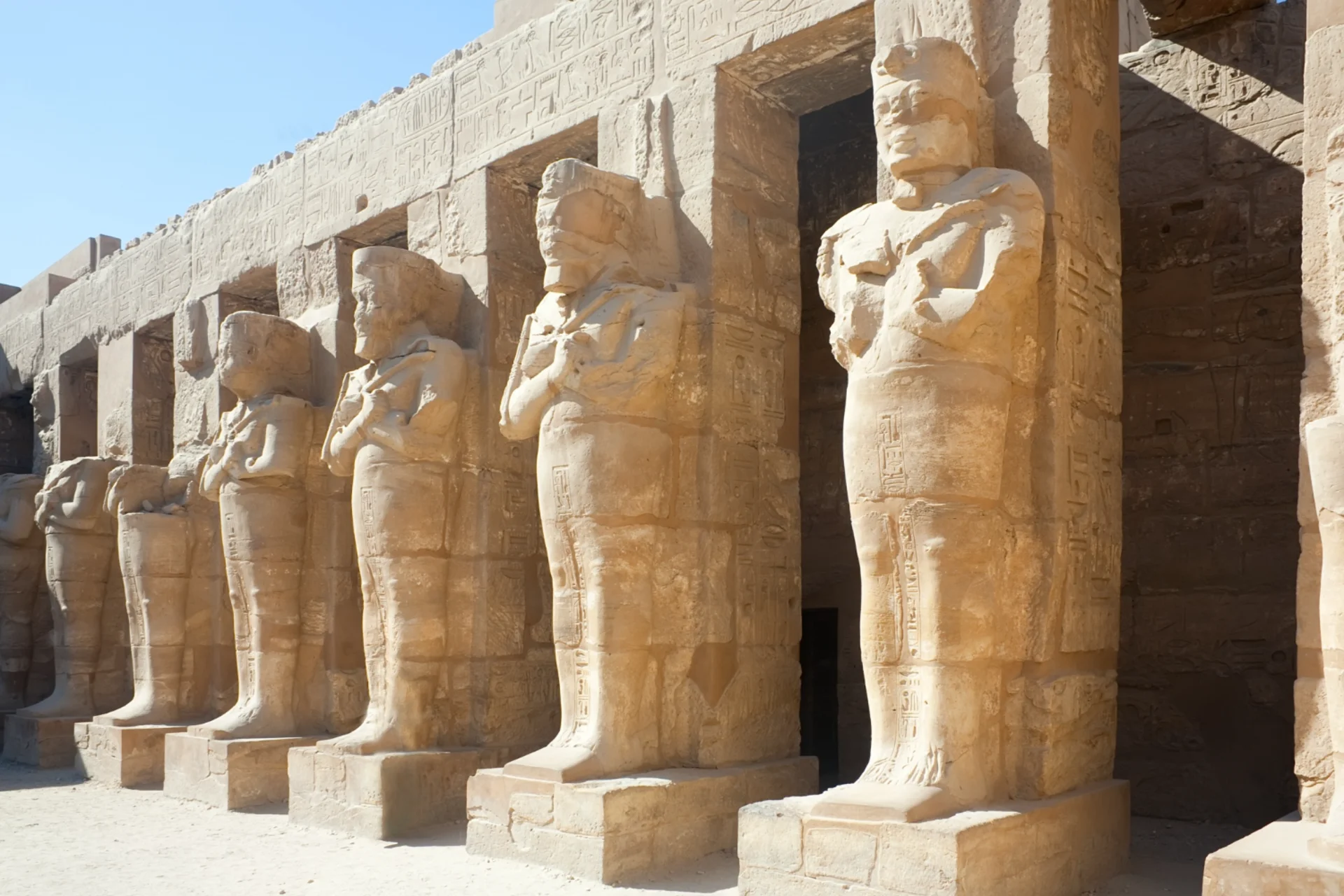
Egypt is one of the world’s oldest civilizations, known for its pharaohs, pyramids, temples, and archaeological treasures that have shaped human history. The blend of ancient dynasties, desert landscapes, and the Nile creates powerful historical storytelling. Travelers interested in archaeology and ancient cultures find Egypt extremely rewarding.
Ideal stay: 7–10 days, covering Cairo, Giza, Luxor, and Aswan.
Historical Places:
- Pyramids of Giza & Sphinx: Iconic tombs of pharaohs, world heritage and engineering marvels.
- Valley of the Kings, Luxor: Tombs of pharaohs with intricate hieroglyphs and murals.
- Karnak Temple, Luxor: Vast temple complex with columns, statues, and sacred spaces.
- Abu Simbel Temples: Rock-cut monuments honoring Ramses II with colossal statues.
Best Time to Visit: The best time to visit Egypt is October to April, when temperatures are cooler for desert and archaeological tours. May to September is hot, especially in southern Egypt, but affordable and less crowded. Winter offers comfortable full-day explorations along the Nile, making it ideal for history travelers.
Russia

Russia offers centuries of imperial history, Soviet-era heritage, Orthodox culture, and world-class museums across its historic cities. From palaces to fortresses and cathedrals, Russia provides a fascinating look into European and Eurasian history. Moscow and St. Petersburg remains the cultural backbone for historical travel.
Ideal stay: 7–9 days, covering both major cities.
Historical Places:
- Kremlin, Moscow: Fortress with palaces, churches, and political history of Russia.
- St. Basil’s Cathedral: Colorful onion-domed cathedral in Red Square, symbol of Russian architecture.
- Hermitage Museum, St. Petersburg: Imperial collection of art, artifacts, and historical objects.
- Peterhof Palace: Grand estate with fountains, gardens, and baroque architecture.
Best Time to Visit: The best time is May to September, when temperatures support walking tours, palace visits, and canal cruises. Winter from November to February is beautiful but extremely cold, suited for visitors wanting snow-covered historical sites and festive season charm. Shoulder seasons (April and October) offer fewer crowds.
Rome (Italy)
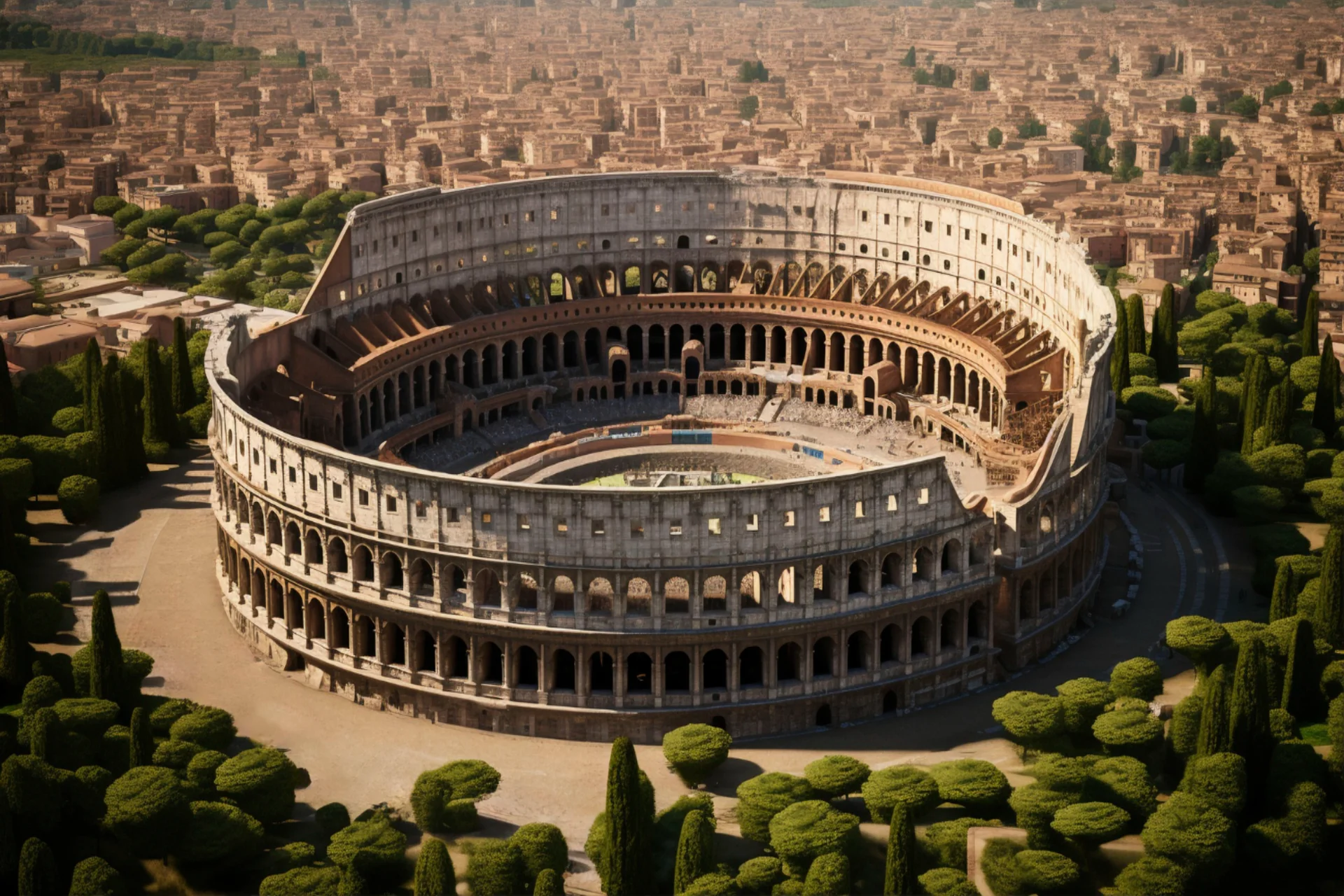
Rome is a living museum, known as the “Eternal City” for its continuous habitation and monumental historical legacy spanning Roman Empire, Renaissance, and Papal history. Travelers walk through ruins, basilicas, piazzas, and art collections that shaped Western civilization.
Ideal stay: 4–6 days for Rome alone, longer if adding Florence or Venice.
Historical Places:
- Colosseum: Ancient amphitheater hosting gladiatorial contests and public spectacles.
- Pantheon: Roman temple turned church, famous for its dome and ancient architecture.
- Vatican City: St. Peter’s Basilica, Sistine Chapel, and Vatican Museums with Renaissance art.
- Roman Forum: Central hub of ancient Rome with temples, arches, and ruins of civic life.
Best Time to Visit: The best time is April to June and September to October, when the weather is pleasant for outdoor historical sightseeing. July to August are hot and crowded, while winter from November to February is quieter and ideal for museums. Spring and autumn remain the most comfortable for heritage tours.
Final Verdict
Historical destinations remind us how civilizations rose and transformed over thousands of years. These places are not just tourist spots, but open-air museums where culture, power, religion, and art all come together. For travelers who enjoy learning while exploring, these destinations deliver unmatched depth.
What makes this list special is the variety it offers. Rome takes you deep into the Roman Empire, Egypt showcases ancient dynasties, Uzbekistan preserves Silk Road legacies, and Vietnam and Sri Lanka highlight Asian heritage shaped by both kingdoms and colonization. Meanwhile, Thailand blends temples and old capitals with modern culture, and Russia preserves imperial and Soviet eras.
Each country offers something unique from architectural masterpieces and archaeological wonders to world-class museums and UNESCO heritage zones. Beyond the monuments, food, hospitality, and cultural experiences add richness to the journey.
So, if 2026 is the year you want to travel with knowledge and curiosity, these historical destinations deserve a place on your list. Pack your walking shoes, keep your camera ready, and get ready to step into ancient timelines that have shaped the world we live in today.
Frequently Asked Questions
What are the top 10 historical places in the world to visit?
The world is filled with remarkable heritage cities and ancient sites that showcase different eras of civilization. Some of the top historical places include Rome, Cairo & Giza, Samarkand, Athens, Istanbul, Kyoto, Jerusalem, Siem Reap, Hanoi, and Saint Petersburg. These destinations offer a mix of ancient empires, religious landmarks, colonial traces, and UNESCO heritage architecture. For history enthusiasts, they provide immersive learning experiences through monuments, museums, and cultural streetscapes.
Which is the best historical place to visit?
Rome is often considered the best historical place for travelers who want a deep dive into ancient civilizations, art movements, and religious heritage. The city delivers an incredible journey through the Roman Empire, the Vatican, and the Renaissance period. Travelers can explore ancient ruins, grand basilicas, iconic museums, and timeless piazzas that preserve nearly 3,000 years of history. It remains unmatched in terms of historical variety and storytelling.
Which historical site is most important to visit?
The Pyramids of Giza in Egypt are widely regarded as one of the most important historical sites in the world. As the only surviving wonder of the ancient world, they represent exceptional architectural skill and cultural depth from over 4,500 years ago. The site includes the Great Pyramid, the Sphinx, and several tomb complexes that offer insights into ancient beliefs, burial customs, and early engineering. For many travelers, it stands as the ultimate symbol of ancient human achievement.
Which city has the most interesting history?
Istanbul stands out as one of the most historically interesting cities due to its role as the capital of three major empires like Roman, Byzantine, and Ottoman. The city blends European and Asian influences, rich religious history, and centuries of cultural exchange. Its mosques, palaces, churches, and bazaars narrate stories from both Christianity and Islam. This layered identity makes Istanbul a living museum where different timelines coexist in everyday life.









.webp)