

.webp)


Thailand is a paradise not just on land but also beneath the waves. Its crystal-clear waters, colorful coral reefs, and abundant marine life make it one of the top diving destinations in the world. For both beginners and experienced divers, exploring Thailand’s underwater world promises unforgettable experiences. Whether you want to swim with tropical fish, discover shipwrecks, or witness rare sea creatures, Thailand has something special for everyone.
From the Andaman Sea in the west to the Gulf of Thailand in the east, the country is dotted with world-class dive sites. Islands like Koh Tao, Koh Phi Phi, Similan Islands, and Koh Lanta are famous for their vibrant reefs and diverse underwater landscapes. Each dive site offers a unique experience, with varying depths, visibility, and marine species. Planning the right dive spots ensures that you get the most out of your underwater adventure.
Thailand’s diving culture is welcoming and well-developed. Numerous dive schools and tour operators cater to both novices and seasoned divers. You can find certified instructors, guided dives, and equipment rentals almost anywhere near the popular dive islands. Safety, training, and environmental awareness are key focuses, making diving enjoyable and worry-free for everyone.
Exploring Thailand’s underwater world is not just about scuba diving in Thailand; it’s about connecting with nature. Watching schools of fish, colorful corals, and gentle sea turtles in their natural habitat creates a sense of wonder. Whether you are a thrill-seeker or someone looking for a peaceful underwater experience, Thailand’s dive sites offer the perfect escape.
Table of Contents
- Koh Tao – Sail Rock and Chumphon Pinnacle
- Koh Phi Phi – Bida Nok and Bida Nai
- Similan Islands – Elephant Head Rock and Richelieu Rock
- Koh Lanta – Hin Daeng and Hin Muang
- Koh Samui – Sail Rock and Chumphon Pinnacle
- Phuket – Shark Point and Anemone Reef
- Koh Chang – Koh Rang and Koh Wai
- Koh Tao – Japanese Gardens and Twins
- Koh Tao – Mango Bay
- Final Verdict
- FAQs
Koh Tao – Sail Rock and Chumphon Pinnacle
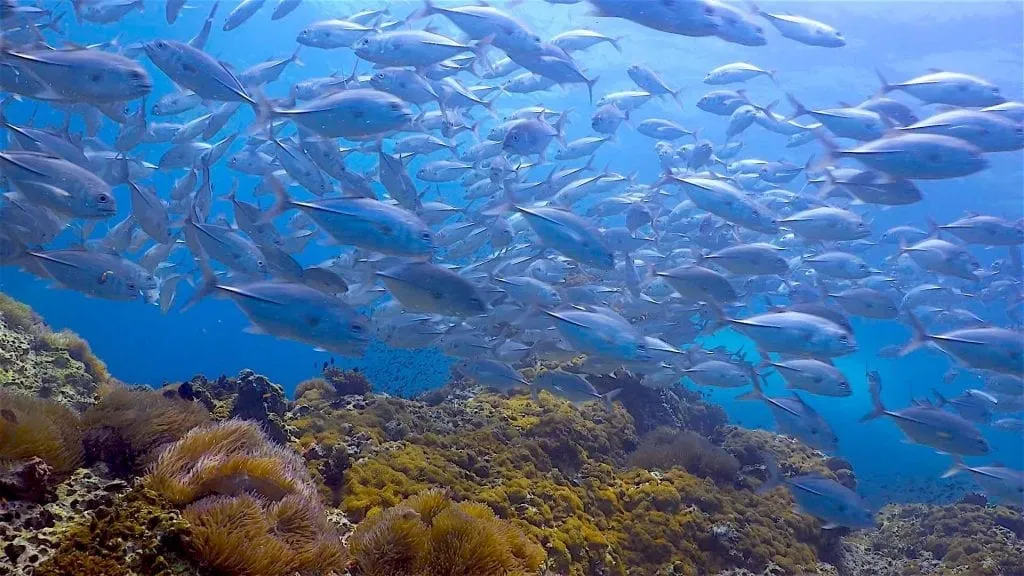
Sail Rock is one of the best dive sites Thailand has to offer. Located between Koh Tao and Koh Phangan, it is famous for its vertical chimney, offering an exciting drift dive experience. Chumphon Pinnacle is nearby, featuring dramatic pinnacles teeming with marine life. Both sites are ideal for intermediate and advanced divers.
Marine life: These sites are home to a variety of fish, including barracudas, trevally, and bumphead parrotfish. You can often spot whale sharks in season, making it a once-in-a-lifetime experience. Colorful soft corals, sponges, and schools of smaller fish create a stunning underwater panorama.
Diving services: Diving services here are excellent. Koh Tao has many dive schools offering PADI certifications, guided dives, and equipment rentals. Tour operators organize half-day and full-day dives, often combining Sail Rock and Chumphon Pinnacle in one trip for maximum exploration.
Dive Difficulty & Skill Level: Intermediate to Advanced
Best Season / Best Visibility: March to September, with visibility up to 30 meters
Environmental Tips: Avoid touching corals and maintain neutral buoyancy to protect marine life.
Diving Packages / Budget: ₹6,000–₹9,000 per dive (includes gear and guide).
Reviews: Divers frequently rave about the clear waters and abundant marine life. Many highlight the thrill of drifting along vertical walls and encountering large pelagic species. Beginners and experienced divers alike praise the professionalism of the instructors and the overall diving experience.
Plan Your Thailand Escape Today with 30 Sundays.
Koh Phi Phi – Bida Nok and Bida Nai
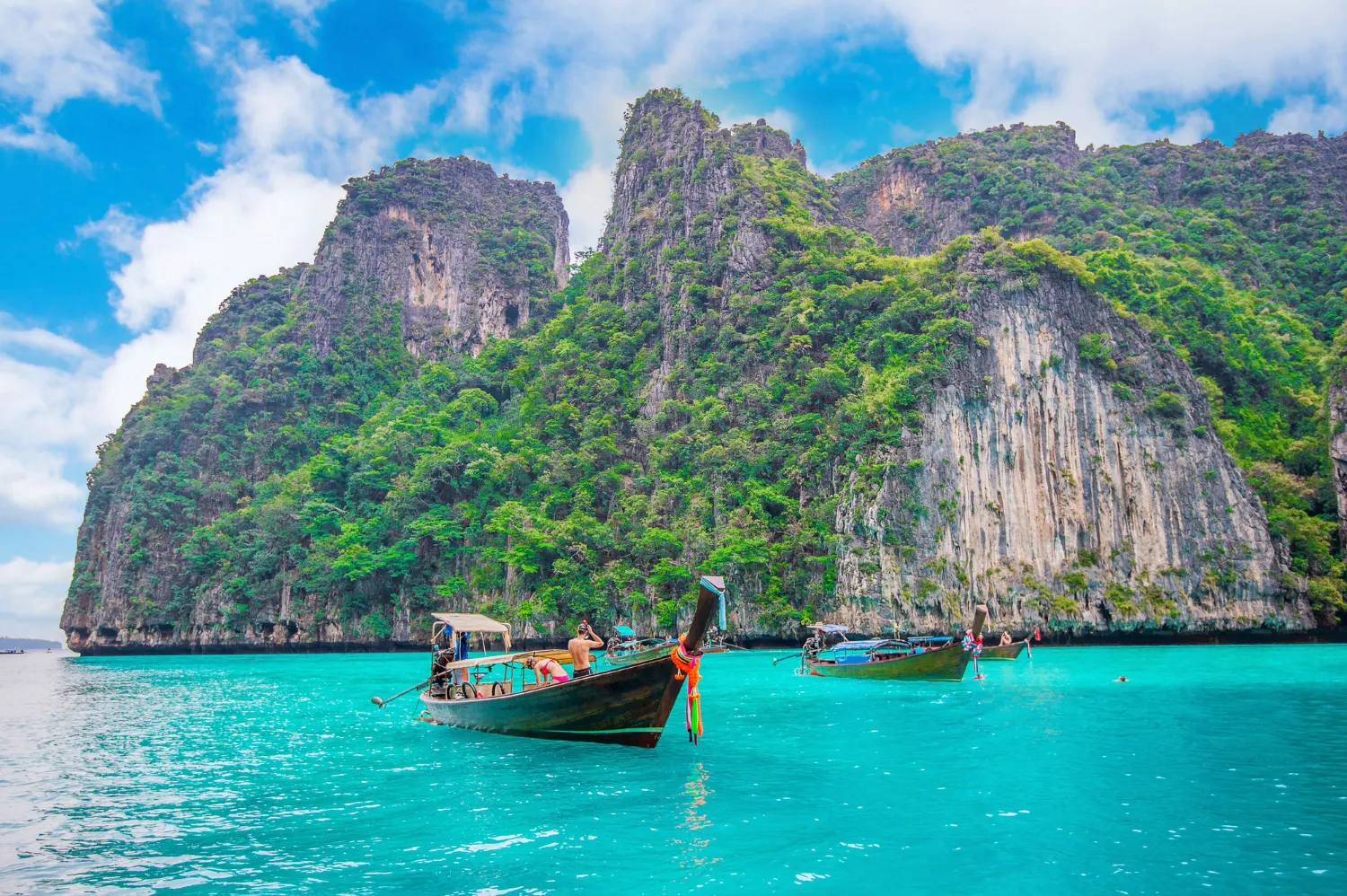
Bida Nok and Bida Nai are small limestone islets south of Koh Phi Phi, famous for their dramatic cliffs and abundant fish. These sites offer spectacular wall dives and are often included in liveaboard trips around the Phi Phi islands. Visibility is usually excellent, and the coral formations are colorful and healthy.
Marine life: Marine life at these sites includes leopard sharks, barracudas, and a variety of reef fish. The corals are home to clownfish, angelfish, and butterflyfish. Divers often spot turtles resting in shallow areas. Soft corals add a magical touch to the rocky underwater landscape.
Diving services: Dive shops in Phi Phi offer guided tours to these sites, including morning and afternoon dives. Many provide photography services, equipment rentals, and courses for all levels. Advanced divers can also explore deeper areas with more challenging conditions.
Dive Difficulty & Skill Level: Beginner to Intermediate
Best Season / Best Visibility: November to April
Environmental Tips: Do not feed fish; keep a safe distance from marine animals.
Diving Packages / Budget: ₹5,000–₹7,500 per dive or ₹10,000–₹12,000 for a two-dive package.
Reviews: Couples and groups of friends consistently praise these dive sites. Reviews mention the thrill of spotting large fish up close and the beauty of the coral walls. The friendly instructors and organized dive trips make it an unforgettable experience for every diver.
For a luxury twist, experience our luxury Thailand dive resort experience combining 5-star comfort with world-class diving.
From Phuket to Koh Samui, let’s make your island dream real with 30 Sundays
Similan Islands – Elephant Head Rock and Richelieu Rock
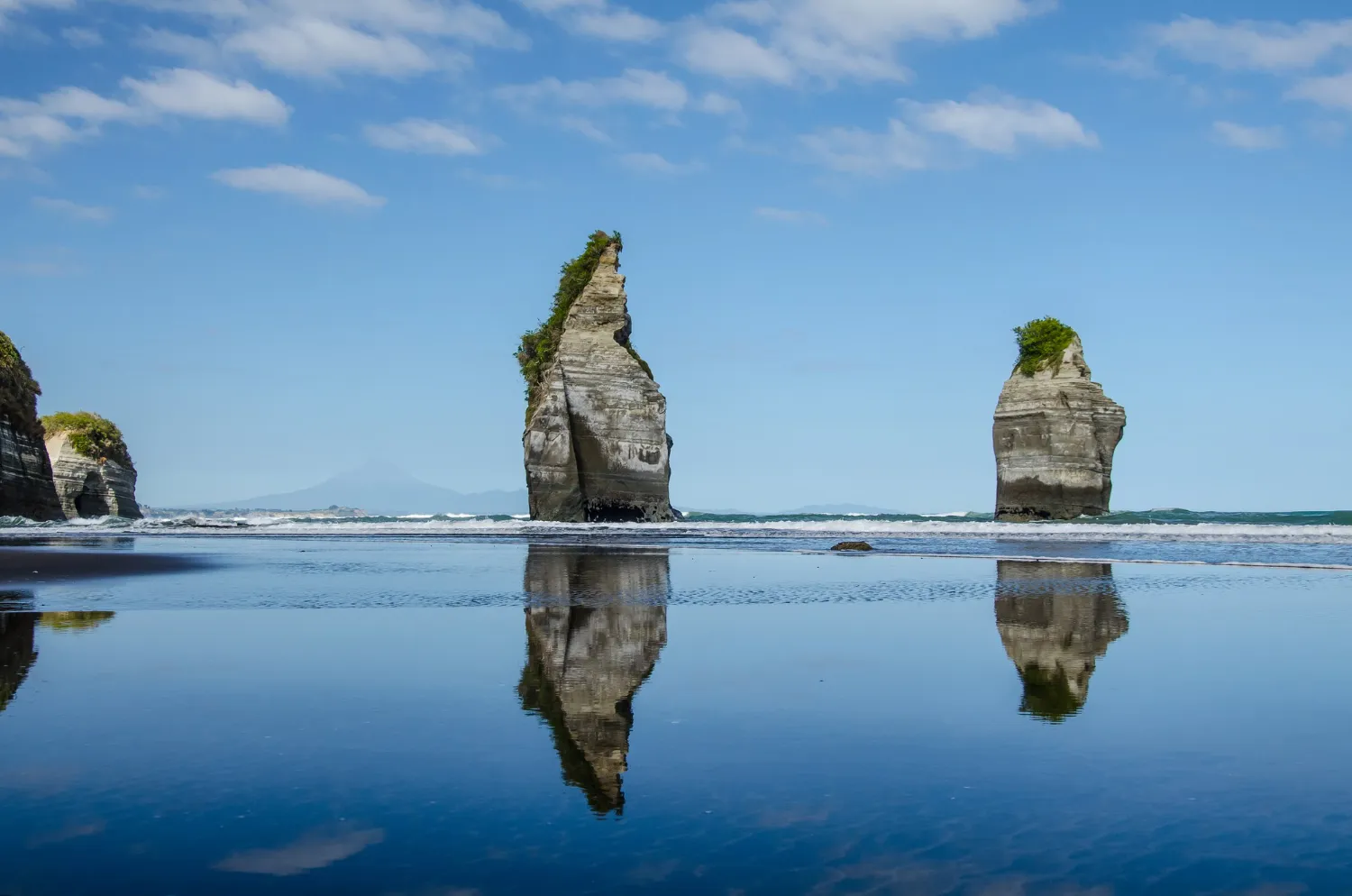
Similan Islands are widely regarded as one of the top dive locations Thailand has to offer. Elephant Head Rock is famous for its rock formations and abundant marine life. Richelieu Rock, often ranked among the best scuba diving in Thailand, offers rare sightings of whale sharks and manta rays.
Marine life: Marine life here is extraordinary. Divers can encounter giant groupers, nudibranchs, cuttlefish, and a rainbow of reef fish. The soft coral gardens are vibrant, and visibility is often excellent, making photography a delight. Large pelagic species are more common here than in many other Thai dive sites.
Diving services: Dive operators run daily trips and liveaboards, offering equipment, instructors, and guidance for beginners and advanced divers. The liveaboard experience is especially popular for Richelieu Rock due to its distance from the mainland. Safety and environmental care are emphasized on all trips.
Dive Difficulty & Skill Level: Intermediate to Advanced
Best Season / Best Visibility: November to May; manta rays frequent from December to March.
Environmental Tips: Choose eco-certified dive operators and avoid single-use plastics on boats.
Diving Packages / Budget: ₹8,000–₹12,000 per dive; liveaboard trips ₹45,000–₹60,000 for 4 days.
Reviews: Divers often describe these sites as awe-inspiring. Many mention the excitement of seeing whale sharks and manta rays. Reviews highlight the professionalism of guides, the pristine underwater environment, and the incredible visibility that makes every dive memorable.
Ready to live this 5-day Thailand story? Plan your trip with 30 Sundays.
Koh Lanta – Hin Daeng and Hin Muang
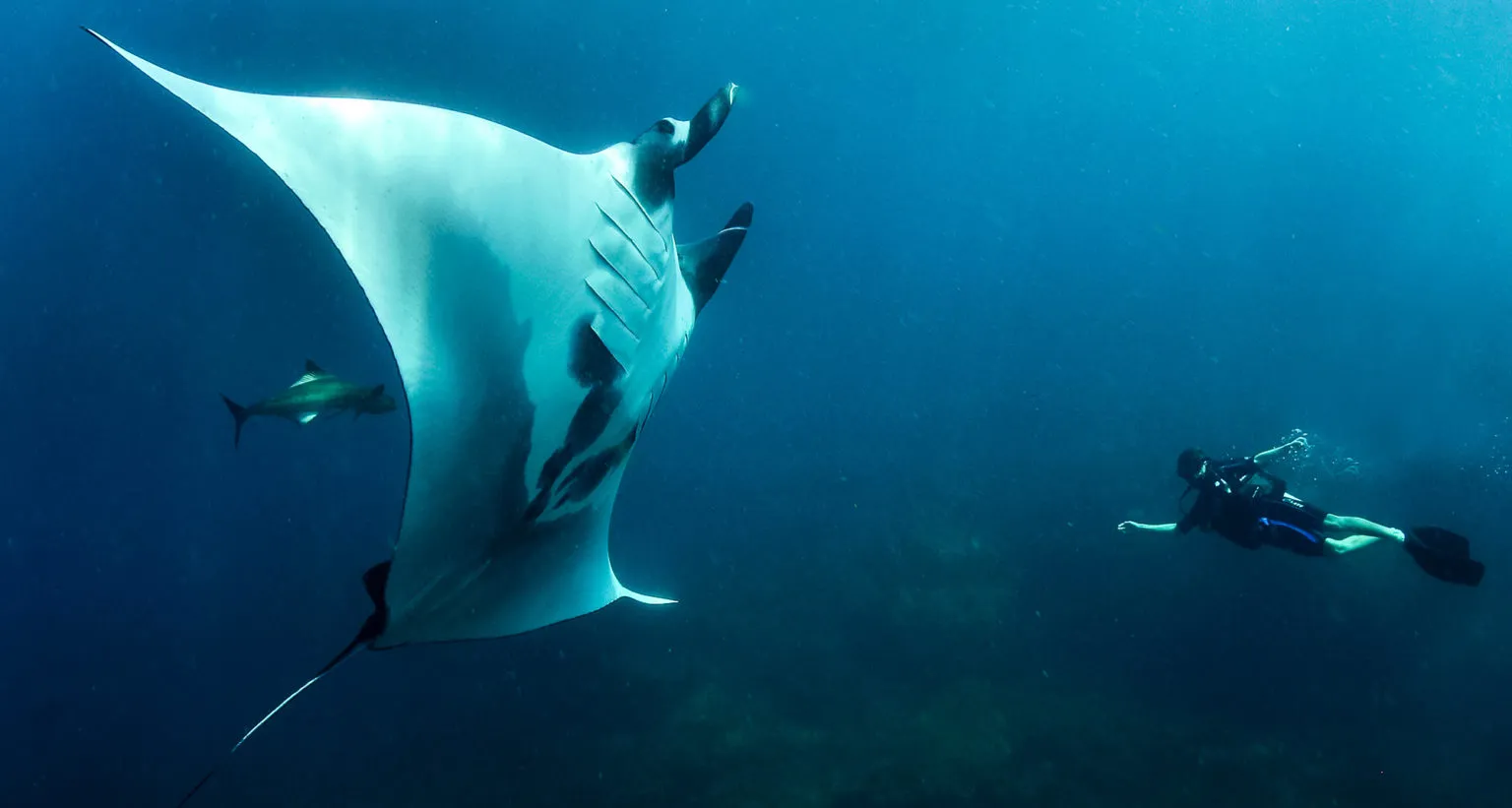
Hin Daeng and Hin Muang are deep-water dive sites near Koh Lanta, known for steep walls and dramatic drop-offs. These sites are ideal for advanced divers looking for encounters with larger pelagic species like manta rays and whale sharks. The underwater landscape features towering pinnacles and vibrant coral formations.
Marine life: These sites are home to schools of snappers, jacks, and large groupers. Soft corals bloom in reds, purples, and yellows, creating an underwater garden. Divers may encounter manta rays gliding gracefully along the walls, and occasionally, reef sharks patrolling deeper areas.
Diving services: Local dive centers organize guided trips to Hin Daeng and Hin Muang. They provide full equipment, certified instructors, and detailed briefings. Some operators also offer underwater photography assistance for capturing the dramatic scenery.
Dive Difficulty & Skill Level: Advanced
Best Season / Best Visibility: November to April
Environmental Tips: Avoid anchoring on coral and support reef-safe sunscreen brands.
Diving Packages / Budget: ₹7,000–₹10,000 per dive; multi-day packages from ₹25,000.
Reviews: Reviews from divers highlight the thrill of deep dives and the chance to see large marine species. Couples and solo divers appreciate the tranquility and raw beauty of these sites. The combination of safety, stunning scenery, and abundant marine life makes it a must-visit location.
Andhra Pradesh couples can explore our Thailand packages from Visakhapatnam — beach + culture combos.
Koh Samui – Sail Rock and Chumphon Pinnacle
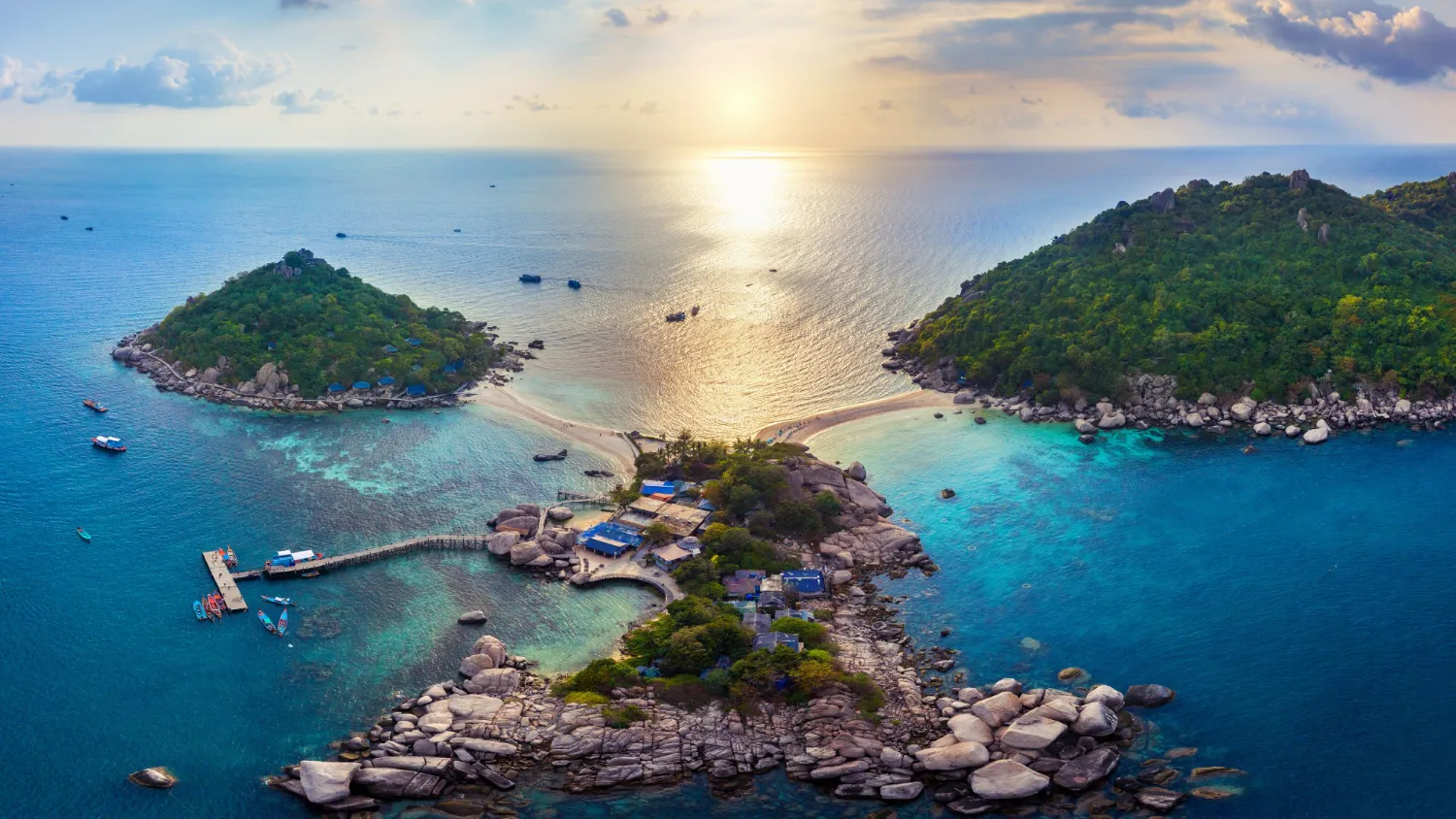
Sail Rock near Koh Samui offers a unique vertical chimney dive that attracts advanced divers. Chumphon Pinnacle, just a short distance away, provides an exciting drift dive. Both sites feature healthy coral gardens and abundant marine life, making them popular places for scuba diving in Thailand.
Marine life: Divers often encounter schools of barracuda, trevally, and giant groupers. Seasonal whale shark sightings are a highlight, along with colorful soft corals and sponges. Visibility is usually excellent, providing clear views of the dramatic underwater landscape.
Diving services: Diving schools in Koh Samui offer guided dives, equipment rentals, and training courses. They organize trips for all skill levels, ensuring both beginners and advanced divers can enjoy these top dive locations Thailand offers.
Dive Difficulty & Skill Level: Intermediate
Best Season / Best Visibility: May to September
Environmental Tips: Never touch coral or chase marine animals for photos.
Diving Packages / Budget: ₹6,000–₹8,500 per dive.
Reviews: Divers praise the experience for its excitement and natural beauty. Many mention the professional guides, safe diving environment, and incredible sightings of large marine species as the highlights of their trips.
Turn these timeless places into your real Thailand story with 30 Sundays.
Phuket – Shark Point and Anemone Reef
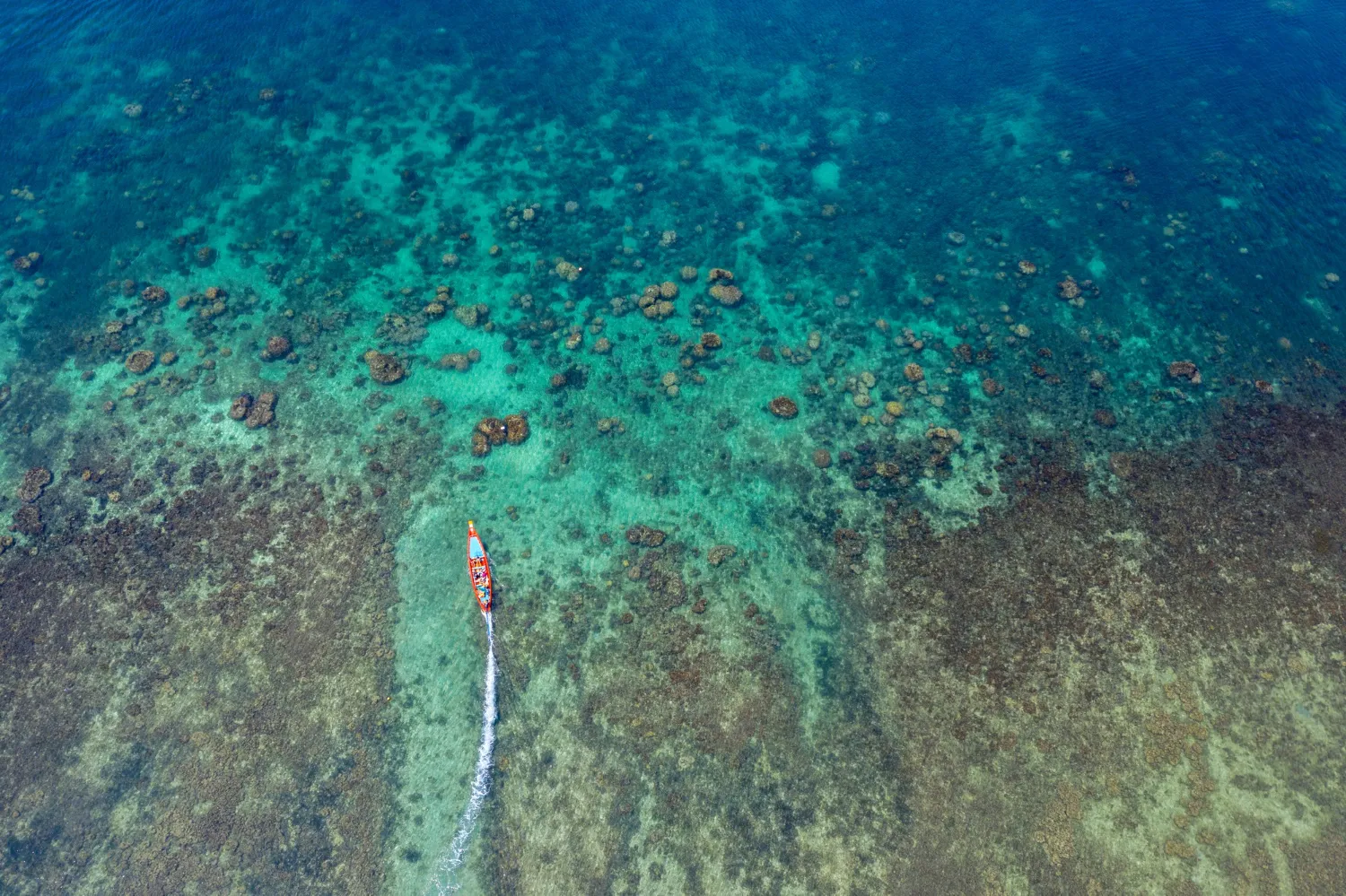
Shark Point and Anemone Reef are two of the most popular dive sites near Phuket, offering colorful coral formations and abundant marine life. Located just a short boat ride from the main island, these sites are easily accessible and perfect for divers looking to explore the Andaman Sea. Shark Point is famous for its harmless leopard sharks resting on sandy bottoms, while Anemone Reef impresses with its bright, waving anemones that cover the rocky pinnacles.
Marine life: Both sites are filled with tropical species like lionfish, cuttlefish, moray eels, and clownfish. Schools of barracuda and trevally often pass by, while the coral reefs are alive with sea fans and sponges in shades of purple, yellow, and pink. The calm currents allow even beginner divers to enjoy close encounters with marine life.
Diving services: Phuket has many dive centers offering half-day and full-day trips to Shark Point and Anemone Reef. These packages include professional instructors, PADI courses, and high-quality equipment. Beginners can join guided dives, while experienced divers often combine these sites with nearby King Cruiser Wreck for a full underwater adventure.
Dive Difficulty & Skill Level: Beginner to Intermediate
Best Season / Best Visibility: November to April, with visibility ranging from 15 to 30 meters
Environmental Tips: Avoid touching or stepping on coral, and never chase marine animals for photos. Use reef-safe sunscreen to protect underwater ecosystems.
Diving Packages / Budget: ₹5,500–₹9,000 per dive, depending on package and season.
Reviews: Divers love the variety of marine life and the beautiful coral gardens here. Many describe it as one of the most enjoyable Thailand dive spots for its accessibility and colorful underwater world. Couples appreciate the romantic boat rides and sunset views after their dive, making it a favorite for honeymooners.
Krabi's Andaman waters are world-class. Join our Krabi diving package for guided dives and marine life encounters.
Haryana couples can view our Thailand packages from Faridabad with complete departure support.
Koh Chang – Koh Rang and Koh Wai
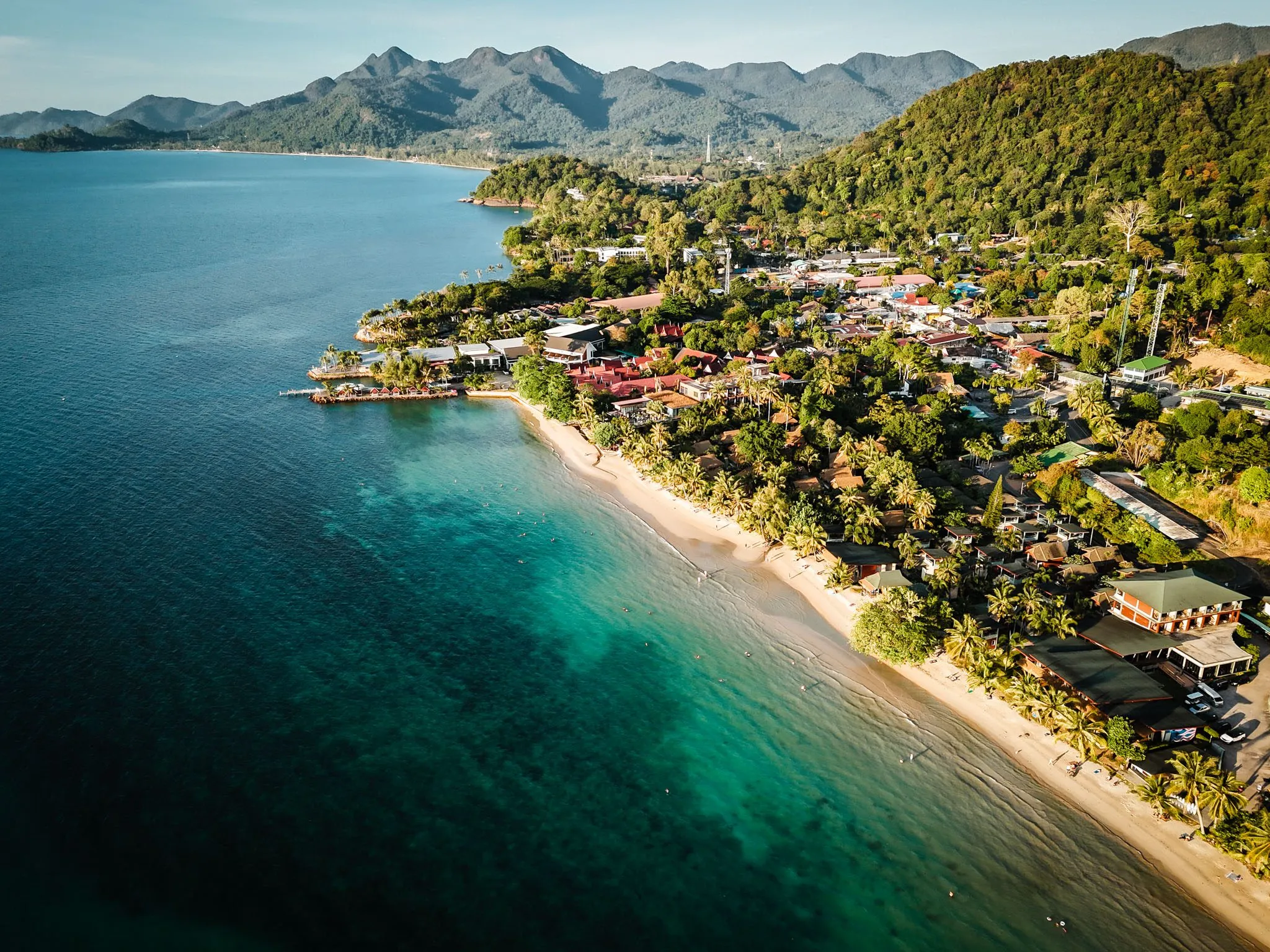
Koh Rang and Koh Wai are two stunning dive sites near Koh Chang, offering vibrant reefs and calm waters ideal for both beginner and intermediate divers. The sites are less crowded than other popular Thai dive spots, providing a more intimate underwater experience. Coral gardens and sandy bottoms make these locations perfect for relaxed dives.
Marine life: Marine life at Koh Rang and Koh Wai is diverse, including clownfish, parrotfish, lionfish, and reef sharks. The coral reefs are healthy, with an array of hard and soft corals. Divers can often spot sea turtles and small schools of barracudas, creating exciting and colorful underwater landscapes.
Diving services: Local dive schools provide equipment rental, guided dives, and training for all skill levels. Day trips are common, and many operators offer personalized instruction for beginners or underwater photography assistance for enthusiasts. Safety briefings and professional guidance ensure every dive is enjoyable.
Dive Difficulty & Skill Level: Beginner
Best Season / Best Visibility: October to May
Environmental Tips: Collect your waste and respect local marine park rules.
Diving Packages / Budget: ₹4,000–₹6,000 per dive.
Reviews: Reviews from divers highlight the tranquility and pristine reefs at Koh Rang and Koh Wai. Many appreciate the uncrowded sites and friendly instructors. Families, couples, and solo divers often mention the peaceful ambiance and stunning marine life as the highlights of their dive trips.
Koh Tao – Japanese Gardens and Twins
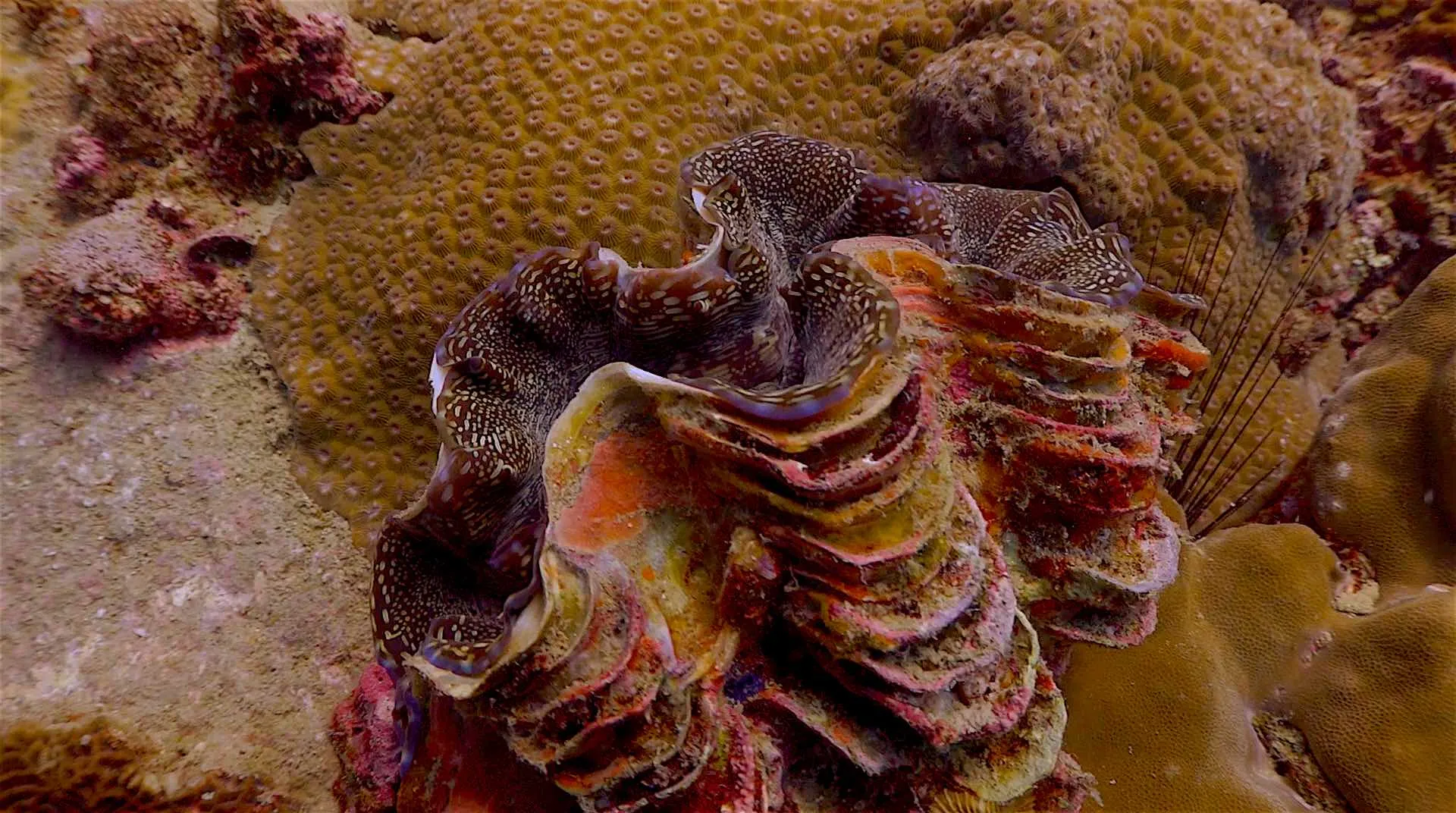
Japanese Gardens is a shallow reef dive site perfect for beginners and snorkelers. Located near Koh Tao, it is famous for its gentle slope, colorful soft corals, and abundance of small tropical fish. The site offers safe conditions for new divers while still being visually stunning. Twins, nearby, consists of two rocky pinnacles connected by a sandy seabed, creating a dynamic and exciting dive site.
Marine life: Marine life at Japanese Gardens includes angelfish, butterflyfish, clownfish, and colourful corals. Twins are home to larger schools of snappers, groupers, and occasional barracudas. The combination of coral walls, swim-throughs, and sandy channels provides variety and adventure in every dive.
Diving services: Dive operators around Koh Tao organize trips to Japanese Gardens and Twins with equipment, guides, and briefings. Beginners can dive with instructors, while advanced divers explore deeper areas and swim-throughs. Photography enthusiasts find plenty of opportunities for vibrant underwater shots.
Dive Difficulty & Skill Level: Beginner to Intermediate
Best Season / Best Visibility: March to September
Environmental Tips: Support reef restoration projects by local dive schools.
Diving Packages / Budget: ₹4,500–₹7,000 per dive.
Reviews: Divers consistently praise the Japanese Gardens for its calm waters and vibrant reefs. Couples love the scenic beauty, while groups of friends enjoy exploring the Twins for its rock formations and abundant marine life. The professional guidance and safety make these sites ideal for divers of all skill levels.
Plan Your Thailand Escape & Sip These With Your Partner.
Koh Tao – Mango Bay
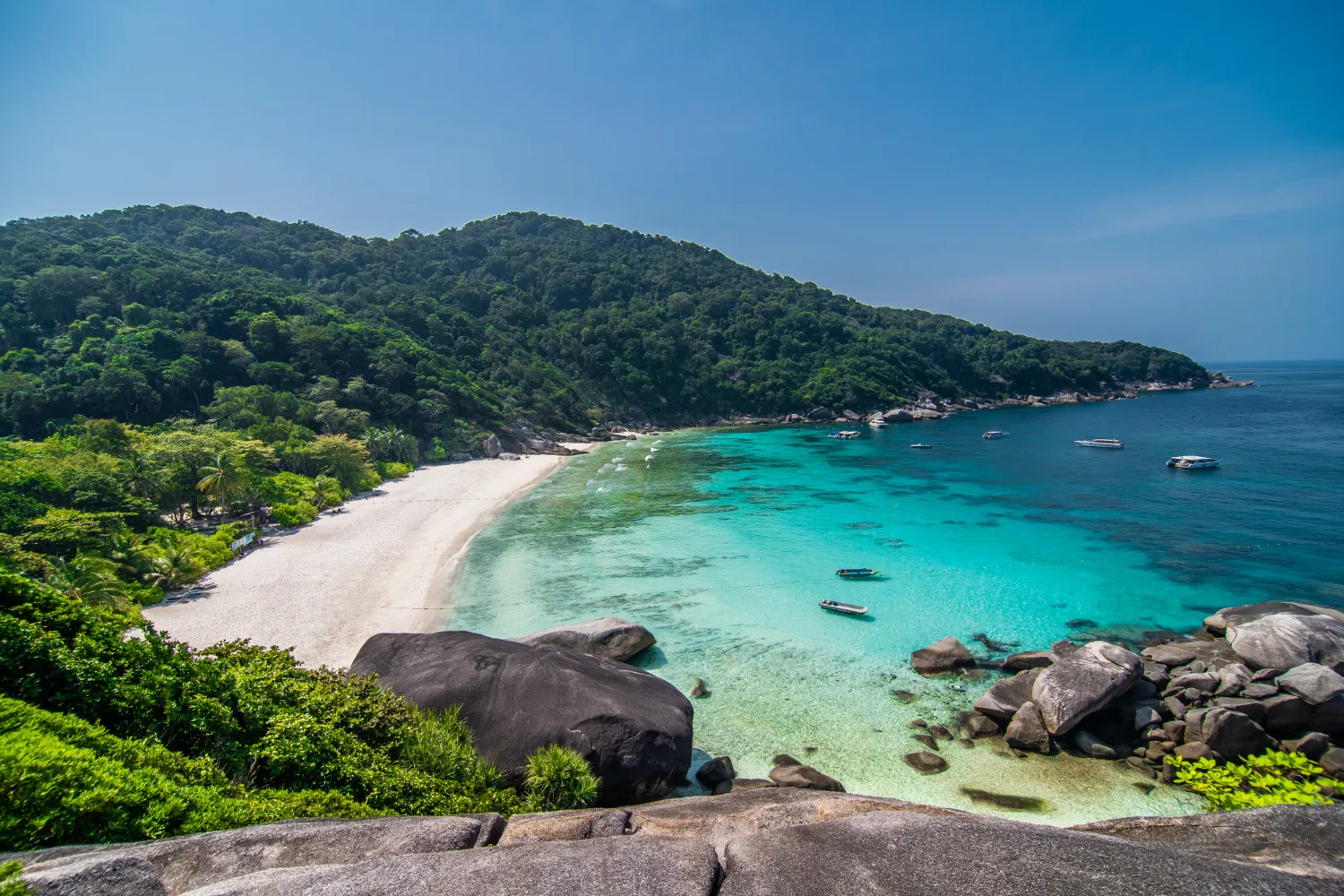
Mango Bay is a popular dive and snorkel site near Koh Tao. It is known for its shallow waters, making it suitable for beginners, families, and snorkeling enthusiasts. The site has a colorful coral reef teeming with small tropical fish and provides a safe and scenic environment for underwater exploration.
Marine life: Marine life includes clownfish, damselfish, parrotfish, and soft corals in shades of red, purple, and orange. Mango Bay also has small sea fans and sponges, creating a diverse underwater landscape. Divers can often spot small reef sharks and schools of snapper, adding excitement to every dive.
Diving services: Local dive shops and operators offer trips to Mango Bay with full equipment, certified instructors, and guided dives. Beginners can enjoy shallow dives, while experienced divers explore the slightly deeper sections and hidden coral formations. Photography and underwater exploration are highlights for many visitors.
Dive Difficulty & Skill Level: Beginner
Best Season / Best Visibility: April to October
Environmental Tips: Avoid standing on coral and use reef-safe sunscreen.
Diving Packages / Budget: ₹4,000–₹5,500 per dive.
Reviews: Divers often review Mango Bay as a beginner-friendly yet visually stunning site. Families appreciate the safe conditions, while couples and friends enjoy the vibrant corals and diverse fish. The accessibility, calm waters, and friendly instructors make Mango Bay a favorite among Koh Tao dive sites.
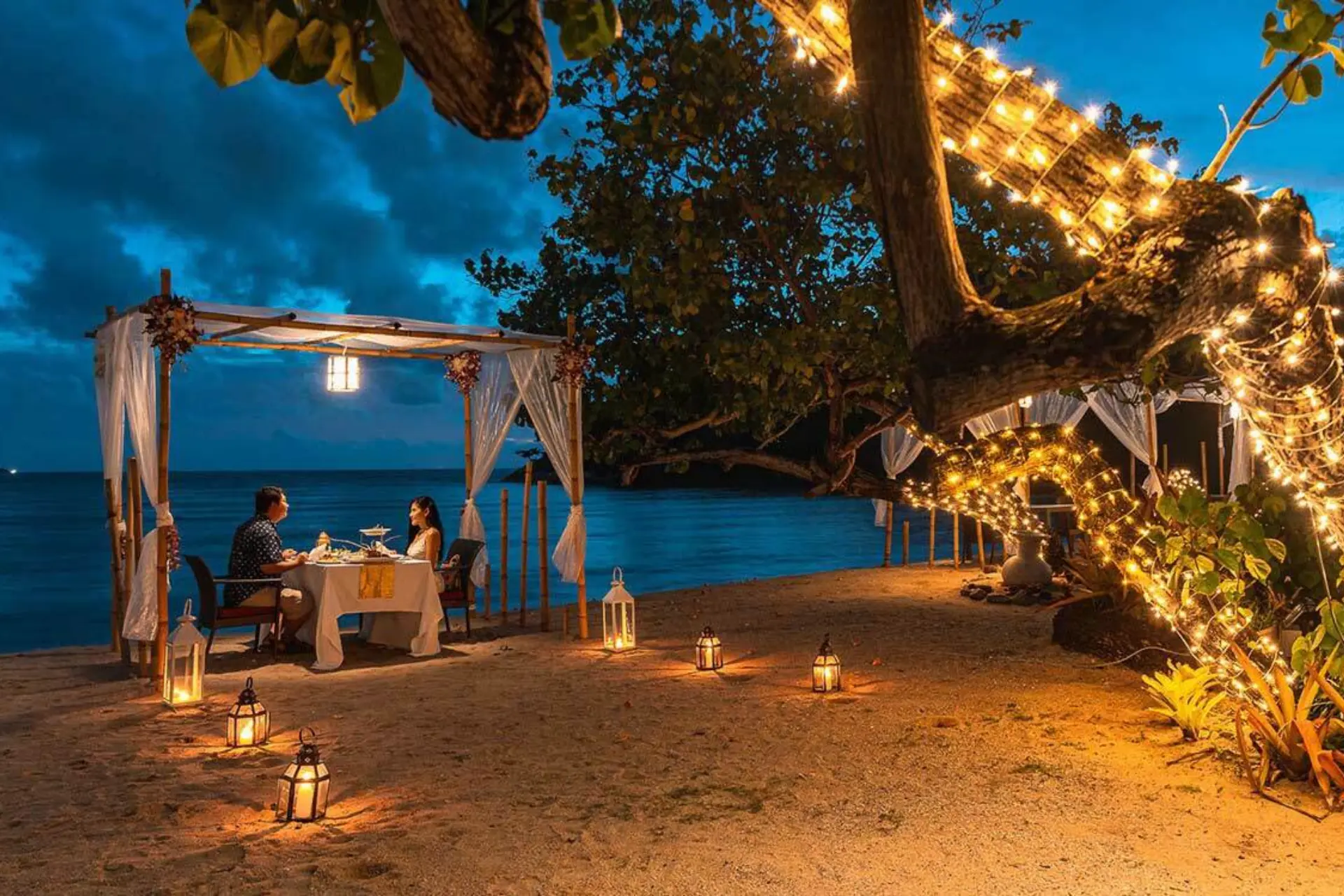
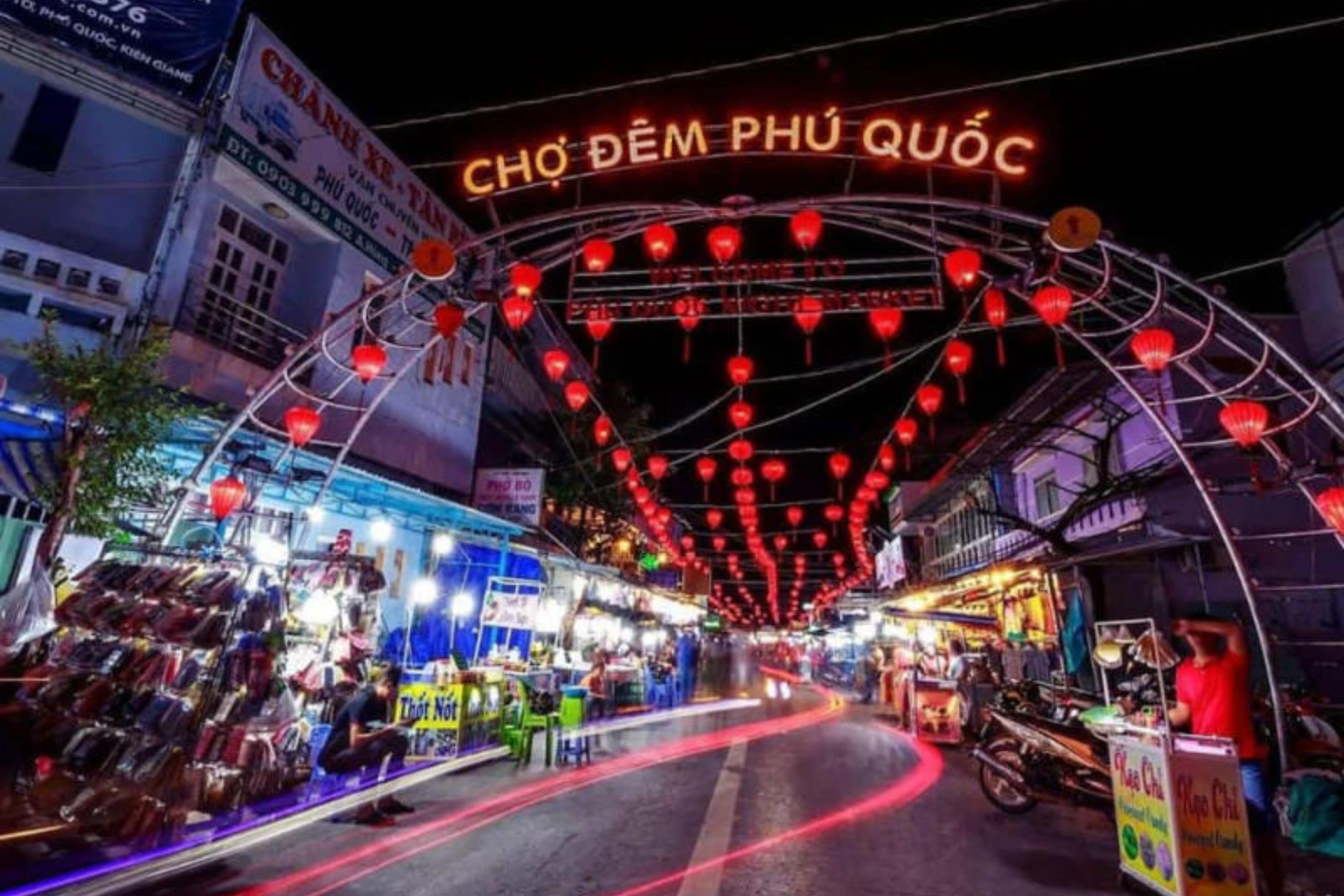
Make your Thailand nights as magical as your days.
Final Verdict
Exploring Thailand’s underwater world is an adventure that should be on every diver’s bucket list. The country offers a mix of shallow reefs, dramatic walls, and deep pinnacles, each teeming with life. From Koh Tao to the Similan Islands, there is a dive site suited for every skill level and interest.
The diversity of marine life in Thailand is remarkable. You can swim alongside turtles, manta rays, whale sharks, and schools of vibrant reef fish. The corals are colorful, healthy, and provide endless opportunities for underwater photography. Every dive feels like entering a magical world.
Dive operators and instructors across Thailand make it easy for visitors to enjoy safe and memorable experiences. With PADI-certified schools, guided dives, and well-maintained equipment, even beginners can confidently explore the underwater world. The hospitality and professionalism of the staff enhance the overall experience.
Whether you are a seasoned diver or trying your first scuba dive, Thailand’s dive sites promise unforgettable moments. The combination of stunning marine life, crystal-clear waters, and excellent diving services makes Thailand one of the best diving destinations in the world. Every trip to these underwater paradises will leave you with memories that last a lifetime.
UP couples can explore our Thailand packages from Agra with customised honeymoon planning.
Frequently Asked Questions
Which is the best place for scuba diving in Thailand?
The best place for scuba diving in Thailand depends on what you want to see. The Similan Islands are famous for whale sharks, manta rays, and vibrant coral reefs. Koh Tao is ideal for beginners with calm, clear waters and abundant tropical fish. Koh Phi Phi and Koh Lanta offer dramatic walls, pinnacles, and exciting drift dives for experienced divers.
What month is best for diving in Thailand?
The best months for diving in Thailand are November to April, when the seas are calm, visibility is excellent, and the weather is dry. The Andaman Sea (west coast) is ideal from November to April, while the Gulf of Thailand (east coast) is best from March to September. These months offer the clearest waters and the most abundant marine life.
What is the 120 rule in diving?
The 120 rule in diving is a safety guideline to prevent decompression sickness. It means the sum of your dive depth in feet and bottom time in minutes should not exceed 120. For example, at 60 feet, you can dive up to 60 minutes (60 + 60 = 120). At 80 feet, maximum bottom time is 40 minutes (80 + 40 = 120). This rule is a simple way for recreational divers to stay within safe no-decompression limits, though dive computers provide more precise guidance.




.webp)